
AARE blog

School funding: Is this Australia’s most important moment for reform?

School funding policy burst back onto the national agenda last Tuesday. Federal Education Minister Jason Clare announced a ‘statement of intent’ had been signed with Western Australia to fully fund the state’s public schools by 2026.

This language is important. A statement of intent is not  a signed, five-year, bilateral funding agreement. There is still much water to go under the bridge.

Yet, on face value, the announcement is good news. It signals the federal government’s intention to boost overall funding for public schools in WA by an extra $777.4 million over five years. In doing so, lifting its share of public school funding from 20 percent to 22.5 percent. Importantly, priority is also given to the state’s most disadvantaged public schools to ensure they are the first to receive the new funding.

As part of the deal, the WA government committed to providing at least an equivalent amount over this period, or 77.5% of the SRS, bringing total additional investment in public schools to $1.6 billion.

In theory at least, this will bring all WA schools regardless of sector up to 100% of the Student Resource Standard by 2026, in school funding policy terms, a quick turnaround.

So why was WA the first cab off the rank?

A review of the annual reporting of states and territories concerning their bilateral funding agreements shows that in 2018, WA actually funded schools at 104% of the SRS, with the WA state government providing 84.43% of the SRS in addition to the federal government’s 20% contribution. From 2019, each year, WA has incrementally dropped its funding to the plateau in 2021, 2022 and 2023 of 75%.

In short, for the federal government to achieve a much needed political and public victory concerning school funding, WA was low hanging fruit. It was sitting on 95% of the SRS in 2023, and only years before schools had been funded in excess of 100%.

WA is also in strong budgetary position vis a vis the other states and territories with a $3.7 billion net operating budget surplus now forecast for 2023‑24.

Perhaps in a sign of things to come, included in the signed statement of intent was a no-disadvantage clause. This means the WA will net hundreds of millions more for education if the Eastern states secure a higher share.

Judging from the initial reaction from some eastern seaboard states, who rejected outright the federal government’s 2.5% increase in funding, Minster Clare faces a rocky negotiation path ahead.

Don’t get too excited

There’s a lot we don’t know. And a lot to worry about if history repeats itself. Our school funding history in relation to equity and needs-based funding is not reassuring.

Minister Clare obviously hopes that the WA agreement will set the scene for other state and territory agreements. He wants all parties to negotiate in good faith and with noble purpose.

But the much-travelled path of federal/state school funding negotiations is littered with disagreements —protracted and fierce. Their results have seldom been fair let alone noble. 

At this stage Victoria and Queensland are not agreeing to 22.5. In equally good faith they are pushing for 25% funding from the federal government.

The Australian Education Union concurs. Its Every school. Every child campaign has long made this clear. It also asks for 40% for the NT where public schools are in dire straits.

Funding war?

Some observers are foreshadowing another ‘funding war’. The exact strategies and tactics of the combatants remain to be seen. Or not. Wider publics are seldom privy to manoeuvres behind-the-scenes. 

The usual funding wars also involve the private schools. Independents, Catholics, the federal government and the states/territories all go into battle for self-interest.

These current negotiations are focused on  the needs-based funding of public schools. Yet Private schools may still enter the funding fray. They always have. 

Currently, for all schools, the SRS is topped up with ‘equity loadings’. We don’t yet know how these will be built into these new funding arrangements. 

There is also the 4% depreciation and other costs loophole that allows the states and territories to reduce their funding in real times. Without its removal, WA Public schools will receive 96% of the SRS rather than the suggested 100%. 

Will disadvantaged schools, with time poor teachers, be given additional support to claim such loadings.  

This federal money is to be tied to various ‘practical reforms’. The Improving Outcomes for All review is the touchstone. These reforms will, in the Minister’s words, ‘help children to keep up, catch up and finish school’.  

But we don’t yet know how these reforms will be rolled out. We don’t know how they will be devised and evaluated, or the assessment and accountability mechanisms involved. 

It is not clear if the Commonwealth has any claw back mechanisms if the states/territories don’t measure up.

Commonwealth accountability mechanisms are notoriously complex, obscure and unhelpful. Danger lurks here.  

Matters to keep in mind

These recent WA developments are an important starting point for the National School Reform Agreement (NSRA) and the new bilateral funding agreements to be negotiated this year.

But, while the haggling over the percentage of government contributions toward the SRS continues, we urge all parties to keep in mind that the SRS represents the minimum standard of funding needed to meet the educational needs of students. 

The WA negotiations have also signalled the federal government’s capacity to move beyond the arbitrarily imposed 80/20% funding split that has shaped federal funding reform since 2017.

This is an important development. It demonstrates there is no constitutional or legislative reason why it can’t move beyond the 22.5% it agreed to on Tuesday, toward the 25% sought by other states.  

We also suggest that substantially strengthened transparency measures be built into the new NSRA and bilateral funding agreements.

Invisibility of funding data

At present, publicly available and easily comprehensible information on how money is spent by governments, and then allocated by schooling sectors is limited. Gaps exist in the visibility of funding data. This is especially problematic given that SRS funding from the federal government is not directly sent to all schools, but redistributed in line with state and sector-based funding models.

These gaps are even more worrisome when considered in relation to the additional government money allocated to priority equity groups (Aboriginal and Torres Strait Islander students, students with disability, students with socio-educational disadvantage, students with low English proficiency, small schools and schools in regional and remote locations).

On this, a 2023 Productivity Commission report established that there is ‘no publicly available data on school-level spending on students’ from these cohorts.

Bolster accountability

Enhanced transparency mechanisms would serve to curtail any potential ‘accounting loopholes’ or cost shifting that have historically beset funding agreements. They would also bolster accountability and enforceability in line with the needs-based principles of the SRS which should remain a central focus of any future funding reform.

There is much at stake for public schools and their students, teachers, and leaders around Australia in the coming months as the school funding negotiations ramp up.
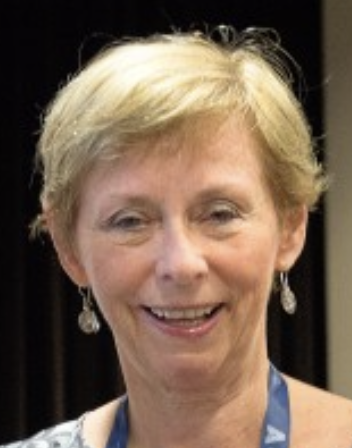
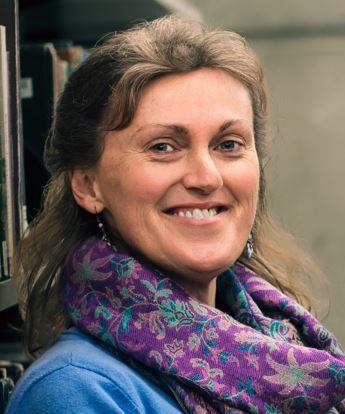
Jane Kenway is an elected Fellow of the Academy of Social Sciences, Australia, Emeritus Professor at Monash University and Professorial Fellow at the University of Melbourne. Her research expertise is in educational sociology.  
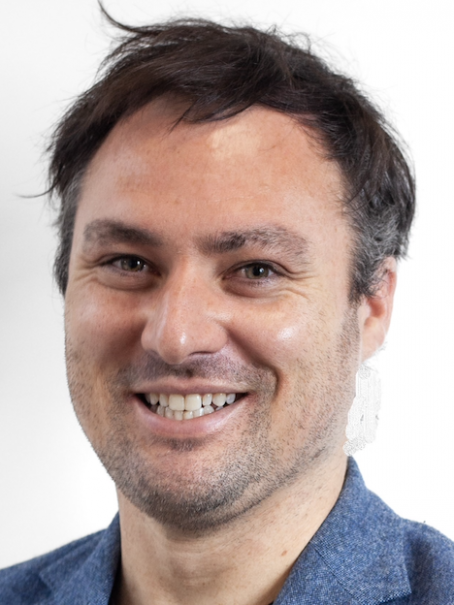
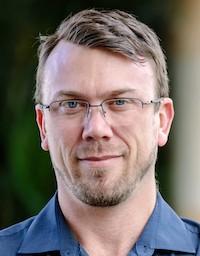
Matthew P. Sinclair is a lecturer of education policy at Curtin University’s School of Education in Western Australia. His research and teaching focuses on education policy, school funding, globalisation, education futures, and equity in schooling.
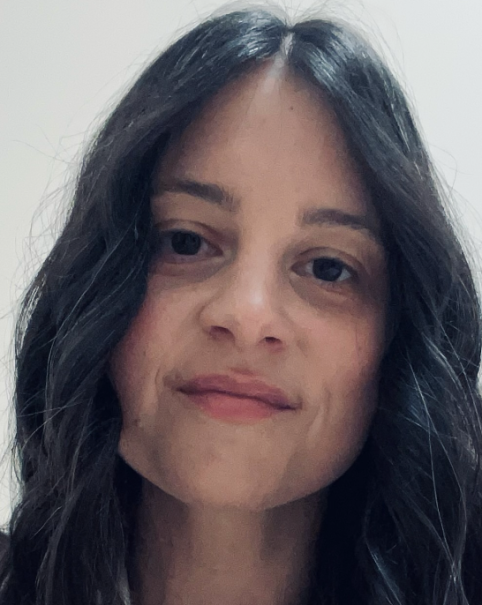
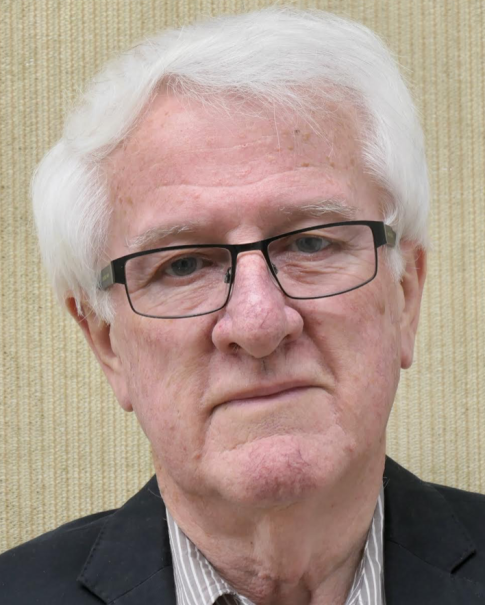
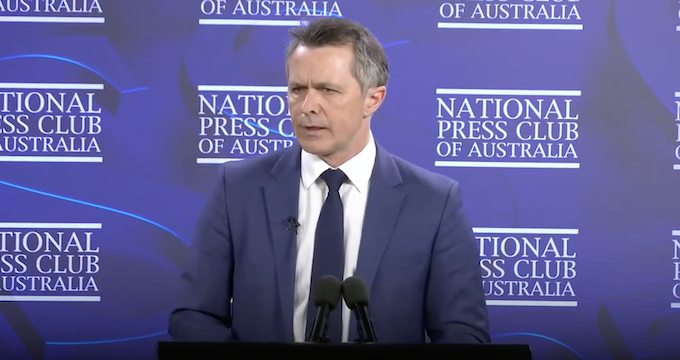
Jason Clare, Federal Minister for Education

Elisa Di Gregorio is a PhD candidate at the Faculty of Education, University of Melbourne. Her research focus is the sociology of education policy, with a particular interest in articulations of equity in school funding policy.

Youth voice, dissent, marginalisation: reflections for our AARE community

Like many AARE members, in late 2023 we were in Naarm attending the AARE conference ‘Voice, Truth, Place: critical junctures for educational research’. As researchers whose work centres on engaging with the voices of young people, the conference theme presented an important opportunity to think about the place of voice in education research – but also to dialogue about the processes and outcome of the national referendum on The Voice to parliament, in a professional community that has long foregrounded considerations of voice and power in education and research.

At this AARE 2023 conference, we (the authors) all experienced a particular moment that caused us to reflect on whose voices can be missing in conference spaces, whose voices are heard, and whose voices are romanticised, absent, marginalised, minimised and/or silenced.

There are barriers and blockages to ‘voice’, even before a conference begins. The costs and structures of conferences can be prohibitive for students and precariously employed academics, including youth co-researchers such as those that some of us collaborate with. This means many voices may be missing from conference discussions – voices that have the potential to trouble, stretch and enrich the assumptions and practices of educational researchers.

What we witnessed in one of the keynote lectures was a protest by a young person – not an official attendee of the conference – that was shut down, the young person pushed out, and their political views and actions vocally belittled. 

While the protest was unsettling for the audience, we consider that this is the purpose of protest: to unsettle, to raise awareness, to speak up. In this piece, we take this disruption as an opportunity for reflection and to raise provocations for our community to wrestle with collectively.  This piece is not intended to in any way be a criticism of any individual, but a prompt for collective reflection. We deliberately do not aim to prescribe solutions. We hope that our provocations (expressed as questions below) prompt further conversation about the place for young people’s voices in educational research spaces, particularly when they dissent from the status quo, and how we support and nurture a diverse community of education researchers.

How do we take young people’s voices seriously?

As members of an organisation dedicated to education, we believe that the voices and views of young people should be at the forefront of our work. While not all education research is focused on schools or youth issues, how young people think about and interact with the world should matter to all educational researchers. In recent years young people have led social movements on issues such as climate justice, Black Lives Matter and Indigenous education. Most recently school and university students have stood up against the Israeli occupation and bombardment of Palestine and Gaza. We believe young people engaging in these issues are informed by history, science and a social conscience that impels them to act for a better world.

What do these recent protests and campaigns, led by young people, have to do with educational conference gatherings? To return to the act of protest during one of the keynotes at AARE 2023, we wonder if there could have been further conversation about the differing individual, collective and organisational responses to this act of protest. How were these individual and collective responses differentially experienced by those in the lecture theatre? What do our individual and collective responses to this protest say about how we, individually and collectively, view young people and their political concerns?

Did some of these responses to a young person’s protest suggest a view of young people as ill-informed, obstructive, difficult and in need of schooling and controlling? What if the former approach were shifted to perceiving young people as informed, engaged, concerned and valuable? Could a shift in perceptions have changed the manner in which these young people and their (perhaps uncomfortable or unsettling) views at the conference were met?

These are issues for all of us as education researchers to reflect on. As noted in one pre-conference blog post, we can all ask ourselves the questions: Whose voices are important in your research? Who is silenced? How can we amplify their voices? We think these questions are important to ask of our conference gathering too.

How can space be made for dissenting voices?

AARE as a research organisation is not homogenous, just as society is not homogenous; thus many, sometimes clashing, views and positions may be present at one time in one space. The challenges of how to manage contestation and dissensus in debates has intensified in the current, often polarising, social media-fuelled world. However, we believe that facing the challenge of dissenting voices and robust debate within this scholarly community is something to be taken particularly seriously. Given the complexity and instability of our current world, this is something that we (the educational research community) must get better at doing well.

Issues of power need to be in the foreground when weighing the dissonances between differing views. When dissenting voices cause disruption, it frequently indicates that these voices or views may not have much space to be heard. It is also possible that the listener might have the individual experience of wanting to push away or silence views that one finds confronting, controversial, unpopular, unsettling or that they don’t understand.

Voices and views tend to be suppressed when they are challenging or unsettling to the status quo. We witnessed suppression of teacher and student voices expressing Palestine solidarity in Victoria at the same time that the conference was happening. This is very concerning, and as a scholarly community we should be demonstrating the possibilities of different approaches to dissensus. 

What would it look like to make space for dissensus and debate on the issue of Israel-Palestine in a spirit of ‘agonistic pluralism’ (as was argued for by Professor Deborah Youdell in her paper at the AARE conference ‘Revisiting agonism pluralism, dissensus and dialogue in education’ drawing on the work of Laclau and Mouffe)? What could it look like to make space for genuine, perhaps difficult, dialogue, where issues were wrestled with collectively and carefully? What could it look like to try to hold the tensions of different positions together, rather than stronger, more powerful positions cancelling out others? 

How can the AARE community not demonise those who might be already marginalised?

Caring for and within diverse communities means considering how we hold each other accountable, how we examine the ways that power operates in our community and how we commit to generosity and understanding in the presence of difference. AARE as a research organisation (like many of our universities) is characterised by white, settler, patriarchal hegemonies. Within these spaces, collective care requires us to be cognisant of how those who are made marginal by such hegemonies experience a rupture like the one that occurred at the AARE conference. As some of our colleagues write in this piece, a flippant comment like ‘I hate rap’, followed by applause, can send a message of denigration to an artform grounded in struggles for racial justice. 

A scenario such as this, unfortunately, often has the effect of keeping white dominance safe. Similar to the ejection of dissent and the belittling of youth voice and protest, the support of this statement from those of us in the audience shows a lack of knowledge, of understanding of history and of tolerance for difference in expression and opinion. How might we have instead paused in that moment and considered how colleagues from minoritised groups might have been feeling? How might we have resisted playing off one or other minoritised group against another and instead tried to understand what was being reckoned with, in and beyond one act of protest?

We offer these thoughts in the hope that we might all reflect on how we can continue to work on creating and maintaining scholarly and community spaces that are welcoming of marginalised voices, histories and perspectives.

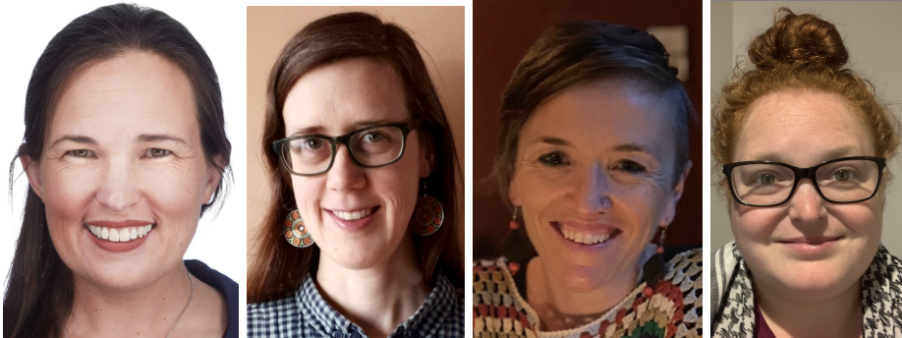
From left to right: Melanie Baak (she/her) is a senior lecturer in UniSA Education Futures and co-convenor of the Migration and Refugee Research Network (MARRNet). Her research and teaching are underpinned by understandings of how systems and structures work to marginalise sections of the population, particularly culturally, racially and linguistically diverse groups. She has an Australian Research Council Discovery Early Career Researcher Award 2023-2025 investigating how schools can enhance belonging for African diaspora youth and was a chief investigator on an ARC Linkage project exploring how schools foster refugee student resilience. @Melanie_Baak. Sophie Rudolph (she/her) is a senior research fellow at the Faculty of Education, University of Melbourne. Her research and teaching involves sociological and historical analyses and is informed by critical theories. She is currently working on a DECRA project investigating the history and politics of racialised school discipline and exclusion in Victoria. Eve Mayes (she/her) is a senior research fellow at Research for Educational Impact (REDI) within the Faculty of Arts and Education at Deakin University, Australia. Her work is centrally concerned with young people’s differential experiences of attempting to affect political change in colonial institutions in and beyond schooling. She is currently working on the ARC DECRA project Striking Voices: Australian school-aged climate students’ justice activisms (2022-2025). Jenn Brown (she/they) is a doctoral candidate in UniSA Education Futures and a lived experience advocate in the areas of sexual violence, fat liberation and complex mental illness. Jenn’s work primarily aims to trouble settler-colonial logics and interrogate institutional structures that perpetuate dehumanising violence and harm about and upon marginalised communities. LinkedIn.

Part two: A new way forward for toddlers, teens, educators, parents

Educators and parents often complain about toddlers and teenagers. In the first article of this two-part series, we explained similarities in their physical, social and emotional development. In this second article, we explore the cognitive similarities, share tips on building positive relationships, and provide ways to address their mental health and wellbeing.

What are the similarities?

Cognitive

Both age groups are still learning how to assess risk, yet they think they are invincible. This, combined with the rapid physical development, can lead to high rates of hospital emergency department admissions.

Additionally, teenage hormone surges interrupt concentration, which is frustrating for educators and parents as they sometimes think messages are not going through. Teenagers are often off task and can spend considerable amounts of time day dreaming.

Communication can also be a struggle. While toddlers might struggle to find the right words to say (even if they understand the words), teenagers might find it challenging to express what they really feel. This can lead to grunting, then either tantrums (toddlers), or slammed doors, rolled eyes and sighs (teenagers). There is often a lot of dissatisfied whining and grumbling. Often children just cannot name the emotions they are feeling so they fall back onto the perennial grunt of “nothing” despite clear evidence that they are feeling something. It is useful to use descriptive language, labelling the feelings their behaviour indicates. For younger children, reading books that improve emotional literacy can help. Many of these are available in libraries.

Tips for positive relationships

It is important to maintain a positive relationship with both age groups despite the challenges.

Remembering that it is a frustrating age for children as well as educators and parents. They are not trying to be painful, rather, they are trying to grow up and learn about who they are and how the world works. When they are grumpy, teaching them to be civil is important.

Using humour can make a world of difference when they are sullen, sulky or recalcitrant. Letting them know their efforts are appreciated (whether they succeed or not), and that you understand that life is frustrating at times. 

It is important they know they belong, they are important, they are a valued part of the family or learning environment, not a burden and that you appreciate them being here. It can help to identify what you see as their strengths, particularly at times when they are overwhelmed by frustration at what they see as their failures. Using a strengths-based approach and listening to them can make a big difference to the outcomes.

Boundaries

Both age groups will push against and even throw tantrums about any boundaries you put in place. For a toddler, a boundary might be that they can only play with the blocks when they have helped pack up the train set. For a teenager, it might mean they need to finish their work before they can do something fun, or their behaviour needs to be at a certain level before they can be trusted to go on an excursion.

It is their job to push boundaries and tell you the rules are not fair. It is your job to clearly set limits and stick to them, reinforcing consequences and gradually easing the limits as they mature and show their ability to follow them, and self-regulate. Those without boundaries feel lost and uncared for, so they try riskier activities and poorer behaviour to get attention.

Friends

It is not an educator or parent’s job to be friends with a child or teenager. They have their own friends. There will be moments of friendship, and these are wonderful, and likely to increase as the child matures. However, it is the adult’s job to be a coach and mentor. Their friends are not coaches, so you need to take on that role.

Opinions

Teenagers are learning how to express their opinions and they need support to know how to do this appropriately. This means learning how to:

  • calmly state their opinion,
  • spot the difference between opinion and fact,
  • value a range of opinions,
  • agree to disagree respectfully, and
  • appreciate that you approve of those with different opinions than your own.

Mental health

Not every child, despite all your best efforts, is going to be able to grow up without help being

provided to the family and to those carrying the responsibility for their welfare. There are a range of family support services available upon which families can call. Educators can recommend the mental health resources available at the service, school or community.

Mental health challenges, particularly in the teenage years, are not uncommon and there are a range of supports available (see Teens mental health: services and links and Teenage mental health – treatments and causes. However, understanding the similarities in these age groups and looking after yourself can support educators’ and parents’ efforts and reduce their stress levels.

Marg Rogers is a senior lecturer in early childhood education. She researches marginalised voices within families and education especially in regional, rural and remote communities. Marg is a postdoctoral fellow within the Commonwealth Funded Manna Institute.

Margaret Sims is a professor in early childhood education and care and has worked in the areas of family support and disabilities for many years. She researches in the areas of professionalism in early childhood and higher education, families, disabilities, social justice and families from CaLD backgrounds. She is an honorary professor at Macquarie University.

Toddlers and teens: the news educators and parents need right now

Among educators and parents, the most often complained about age groups are toddlers and teens. Physically, socially, emotionally and cognitively there are many similarities in these developmental ages. Understanding these similarities can reduce frustrations and help us better connect with them.

In this two-part series, we explore the physical, social and emotional similarities. In the second article (published tomorrow), we will explore the cognitive similarities, share tips on building positive relationships, and provide ways to address their mental health and wellbeing.

What are the similarities?

Physical

This is a time of rapid physical growth for both age groups. Brains are struggling to keep up, causing what might seem like clumsiness and frequent accidents as they learn how to move and be in their rapidly changing bodies. They might not know their own strength and accidently break something or hurt someone as they test shifting limits. It is important to avoid overreacting and attaching a purpose behind these actions as there may be none. Letting them know you are upset and that you do not want them doing that again is okay, but try to leave it there.

This rapid growth means both toddlers and teenagers need loads of sleep. This can be tricky for teenagers who like to stay up late, then struggle with morning routines and learning activities. Additionally, gaming, streaming and social media means there is more to occupy them in the evenings. Parents are often unpopular if they take devices off children at bedtime, but it might mean a big difference enabling them to get the physical rest they need.

Emotional

Both ages are times of opposites. One minute children seem to be clingy and wanting attention and support, then the next they are pushing you away, expressing their opinions, and saying ‘No! I can do it’, snarling or grunting. They are still very needy at all times, despite the bravado

Learning to step back and allowing them some freedom is important, but letting them know you are there whenever they need you is vital. The saying ‘Children need your love when they least deserve it’ is very true. Teach them that if they want to do something themselves, or have time to themselves that it is okay, but that they need to express this wish in a way that is not hurtful. Providing example sentences can help them choose appropriate words.

Social

Socially, children are still learning what is acceptable, what will elicit a response, and how to navigate relationships. Emotionally, they are more likely to find rejection heartbreaking because they are forging their identity. Feeling rejected for toddlers might look like someone not sharing their toys, or pushing them over. For teens it is far more complex, and involves feeling liked and belonging within friendship or sub cultural groups

To be mentally healthy all humans need to feel a sense of belonging. We need an identity that locates us safely in groups of others. For toddlers those groups include the family and possibly the educators and peer group in their early childhood setting. For teenagers the importance of the family group declines (but doesn’t disappear) as they seek their place in a range of different peer groups in both the face-to-face and virtual worlds they inhabit. Learning who we are in these groups is often a function of how the group reacts to us, and children need a secure base of caring relationships. This supports them to manage the turbulent emotions that come with learning that not everyone in the world will like them or want to be with them.

Regarding identity

In regards to identity, toddlers are realising they are separate to their primary caregiver, and teenagers are forging their identity as a young person separate from their parents. At both ages, egos are very fragile, so it is important parents provide a place where they can feel safe and secure within their own home, away from the hurdy gurdy of friendships. Ideally, the family environment creates a safe basis from which children can reach out into the world and develop their own identities within their own groups. If there is not a safe environment at home, other spaces might help provide some support, such as libraries, extra-curricular groups and clubs. 

Teenagers are now old enough to realise what people say and what they mean can be different. This new skill means they often believe people are thinking the worst of them, despite the reality that people are not thinking about them at all. It is important to point out to teenagers that it is a time where they are more likely to be self-conscious, but the reality is most people are not thinking about anything but themselves or the task at hand.

For both age groups, having time alone at home is important as this time gives them the space to process their experiences and reinforce for themselves just who they are. For teens, this means times where they are not on social media. They might complain, but it is good for them to relax and not always be socially available. Time in the family unit is also important as it reinforces the relationships that make home a safe place.

Looking after yourself

Overall, it is challenging educating and parenting these age groups, so finding another trusted and experienced educator or parent to chat to is vital for your own wellbeing. It is normal for educators and parents of toddlers and teenagers to feel exhausted, challenged and exasperated at times. It is essential to recognise your own limits. It is not selfish to desire time alone to recharge batteries to enable you to cope with the next challenge thrown your way. Nor is it selfish to reach out for help when those difficulties feel overwhelming. Looking after yourself is vital for the long haul.

Marg Rogers is a senior lecturer in early childhood education. She researches marginalised voices within families and education especially in regional, rural and remote communities. Marg is a postdoctoral fellow within the Commonwealth Funded Manna Institute.

Margaret Sims is a professor in early childhood education and care and has worked in the areas of family support and disabilities for many years. She researches in the areas of professionalism in early childhood and higher education, families, disabilities, social justice and families from CaLD backgrounds. She is an honorary professor at Macquarie University.

Scholarships for teaching students are great – but will they really diversify the profession now?

Australia is in the midst of a teacher shortage, and with 35% of teachers considering leaving the workforce before they reach retirement age, the problem may get worse before it gets better. This means we need to increase the number of teachers graduating from university teaching degrees. The full set of data for 2024 university applicants isn’t available yet, but UAC data suggests that applications to study teaching degrees at universities are trending downwards

One of the strategies to address the teacher shortage is the new Federal Government scholarships to encourage more people to undertake teaching degrees. While hoping to attract more people to teaching overall, the scholarships target groups under-represented in the profession, with scholarships available for First Nations peoples, people for whom English is an additional language/dialect, people with disabilities, people from regional, rural or remote locations, and people from low socio-economic backgrounds. Currently, the level of diversity in the student population in Australian schools far exceeds the diversity of the teachers, with the majority of teachers being from monolingual, White-Anglo and middle-class backgrounds, and more likely to be born in Australia than the general population.

Benefits of a diverse teacher workforce

Research also tells us that a diverse teaching population has a positive impact on student learning outcomes and engagement in schooling. Students perceive schools as more inclusive and welcoming environments when they see teachers who have similar racial and ethnic backgrounds. Based on teachers’ own experiences as culturally and linguistically diverse students, they can better understand their students’ cultural practices and beliefs and how they grow as learners. As insiders to the experiences of racism, they are valuable in the fight for educational and social justice. They make significant contributions to their school communities, due to their distinct experiences and their ability to offer students a different worldview, as well as becoming cross-cultural mentors for their mainstream colleagues.

But will these scholarships work to diversify the teaching profession?

There is no doubt that these scholarships will be attractive for some promising teacher candidates who would otherwise face greater challenges juggling study with their work, health needs and caring responsibilities. There is potential for the pool of students studying teaching to be widened because of the availability of such scholarships,  which would be a positive outcome.

However, financial support during their studies isn’t going to provide everything these students need to have a successful career in teaching. For example, our research has found that teachers from culturally, linguistically and racially diverse backgrounds (we use the acronym CLRD) experience higher levels of isolation, exclusion and racism in their workplaces. CLRD teachers can experience discrimination on the basis of skin colour, accent, dress and even food. Teachers have told us:

“At times, my faculty  would have lunch together in the staff room. It would have been nice to be told about this, even just to be polite, but it did make me feel very left out.”

“Teachers from Anglo background speak to you in a condescending way, belittle you, question your knowledge and qualifications, and there’s definitely a hierarchy where they consider themselves better than you.”

Forced to conceal their true identity

While there isn’t explicit evidence to connect these experiences to racism, every CLRD teacher who participated in our research shared a story like this. Teachers from CLRD backgrounds often feel forced to conceal their true identity to try and fit in, and it means that they’re less likely to stay in the profession and thrive in their careers.

In addition, most CLRD teachers described additional labour they were expected to undertake because of their race, language or cultural background. Some teachers were happy to do this work to help their students, but many commented that this was labour they did not see their white counterparts being asked to do.

Further, when it comes to scholarships, it’s vital that recipients successfully complete their ITE programs. Some teacher candidates from equity groups may require additional academic support from their university, and may not complete their programs without that help. Some universities do a great job of providing this support, but it takes extra resources. How students will be supported needs to be a part of the discussion.

So will these scholarships keep new teachers from leaving the profession?

The financial support may help teacher candidates from equity groups to take the leap into university studies, but it’s not a single solution to teacher retention.  Teachers on these scholarships are required to teach in public schools for a period equal to the length of their studies – two or four years. But to create a sustainable pipeline of teachers, we need them to stay longer than that, and based on our research there are other barriers that need to be addressed. Support from school leadership teams is essential, as is a united front on the part of the school, to reject racism and discrimination. Schools and leadership teams must genuinely see cultural and linguistic diversity as a positive attribute, rather than a deficit. Cash incentives during their studies isn’t going to be enough of a drawcard to stay in a harmful work environment.

From left to right: Dr Rachael Dwyer (she/her) is a Lecturer in Curriculum and Pedagogy at the University of the Sunshine Coast. Her scholarship is focused on creating social change, through decolonizing, arts-based approaches to teaching, advocacy and research, and sharing her scholarship in ways that impact policy and practice. Dr Rachael Jacobs (she/her) is a Senior Lecturer in Creative Arts Education at Western Sydney University and a former secondary school teacher. Her research interests include assessment in the arts, language acquisition through the arts and decolonised approaches to embodied learning. Professor Catherine Manathunga (she/her) is an historian who draws together expertise in historical, sociological and cultural studies research to bring an innovative perspective to educational research, particularly focusing on the higher education sector. She has worked for over 32 years in universities throughout Australia and Aotearoa New Zealand. Professor Daniel Harris (they/them) is an Australian Research Council Future Fellow in the School of Education, RMIT University, Melbourne, Australia, and Co-Director of Creative Agency research lab: www.creativeresearchhub.com. They are an international expert in creativity studies, creative methods, affect theory and autoethnography. They are committed to the power of collaborative creative practice and social justice research to inform social change.  Dr Jing Qi (she/her) is Manager of Community Languages Teacher Education Program in the School of Global, Urban and Social Sciences at RMIT. Jing draws together experiences in multilingual, transcultural, and technological studies in her current educational research projects in the areas of teacher education, international education and teacher education. 

Why isn’t Australia securing its critical research?

Just before Christmas last year, the National Science Foundation (NSF) of the United States announced aims to establish a network which would enable the funders of university research to share information about applications, applicants and programs of national security concern. 

That same news story mentioned that the NSF had already established a dialogue with the main funding body for the United Kingdom (UK), Research and Innovation, as well as Canada’s Ministry of Innovation, Science and Economic Development and the Natural Science and Engineering Research Council. Talks have also been planned with The Netherlands government, home of the National Contact Point for Knowledge Security

What was interesting – and somewhat chilling – about the announcement was the obvious omission of Australia and its principal funding body, the Australian Research Council (ARC). 

This apparent lack of engagement with Australia over securing research seems a little at-odds with the United States’ other foreign policy measures, such as the AUKUS Agreement under which Australia will become just the seventh country with nuclear-powered submarines. And submarines are just the tip of the AUKUS iceberg. Australia, its universities, and academics will be responsible for leading research into defence-aligned fields under AUKUS like cybersecurity, robotics, advanced hypersonics, and teaching the next generations of experts in those fields. 

So why has Australia been left out in the cold?

Well, one possible reason is that Australia has one of the weakest research security frameworks in the developed world. We don’t even recognize the term “research security” or the closely aligned “knowledge security” – the former term focuses on securing the products and outcomes of academic research, the latter on the actual researchers and research process itself.

The Commonwealth Government doesn’t have an articulated public policy position on research security, beyond their Guidelines to counter foreign interference in the Australian university sector (which haven’t been updated since 2021). The ARC – which administers around 30% of Government investment in university research through the National Competitive Grants Program –  also doesn’t articulate a research security strategy. Their Countering Foreign Interference Framework leaves most of the heavy lifting in monitoring national security risk to individual universities.

Of course, the ARC Framework also only applies when universities seek funding from the ARC, so it doesn’t cover research which universities fund themselves. Up to 70% of university research is self-funded – which in turn is tied directly to international student enrolments – meaning that funding took a massive hit as a result of the COVID-19 pandemic. This lack of a proper research funding base in Australia was called out as a “national security risk” by ANU Vice-Chancellor Brian Schmidt.

Our university research system is also subject to hugely fluctuating externalities, like tying promotions and advancement to “research impact” (a measure of how widely published materials like journal articles are being read or cited). Yet our ability to recognize, respect, and reward the hard work of research academics and staff in Australia is so bad it led Chief Scientist Cathy Foley to recently label the system “not fit for purpose”.

And the threats faced by our researchers aren’t ephemeral – in October at the Five Eyes intelligence summit in Palo Alto, ASIO’s Director-General Mike Burgess detailed a plot involving a Chinese professor who had been recruited by the Ministry of State Security. That professor was given “money and a shopping list of intelligence requirements” before he was intercepted by ASIO and removed from the country. The Australian Signals Directorate (ASD) has also highlighted AUKUS technologies as a specific target for hacking and cyberespionage groups from China, Iran and North Korea.

So, what can Australia do about this deplorable situation?

Firstly, the Commonwealth Government needs to articulate a position on research and knowledge security in Australia. It would be auspicious timing to do so. The Universities Accord – the body established to “drive a visionary plan for Australia’s universities and higher education sector” – handed its final report to Education Minister Jason Clare on 28 December. The Government could use that report as the catalyst to establish a national policy on research and knowledge security.

Secondly, the Government needs to get itself on the same page as its AUKUS partners on the matter of research security. Given Australian cybersecurity has already been called the “weakest link” in the AUKUS triad, we have our work cut out for us. But the dangers of not doing so – including potential proliferation of nuclear materials to rogue states – is too terrifying to contemplate.

Thirdly, the Government – including intelligence agencies ASIO and ASD – and our universities need to find a way to work more closely and harmoniously. At Senate Estimates in May 2023, Burgess acknowledged that ASIO officers were “embedded in the AUKUS team in Defence that actually help Defence with their security posture”

Yet there hasn’t been a rush to embed ASIO officials inside universities – quite the opposite. In February 2023, ASIO rejected a recommendation by the Parliamentary Joint Committee on Intelligence and Security to publish their activities involving higher education institutions. Then ASIO quietly published a resource for universities who at times seemed to be struggling with their security obligations: the “Collaborate with Care: Protect Your Research” booklet. Whilst that resource is helpful, it doesn’t go nearly far enough to uplifting the security awareness and maturity of academics in Australia.

Lastly, as a society Australia needs a more open dialogue about what the research we need to protect, and what we don’t. Revelations of anti-Semitism in US universities has already claimed the jobs of two Ivy League presidents, following claims that those universities were sheltering and even encouraging extremist opinions. Closer to home, last year a professor at RMIT was allegedly sacked for exercising his academic freedom when he pointed out “what he believed was a sex-based double standard” on Twitter. Given the highly polemic and politicized debate around the AUKUS Agreement and our universities, we need to be abundantly clear about how we intend to protect national security, not prevent our academics from contributing to healthy and crucial public debate.

Dr Brendan Walker-Munro is a Senior Research Fellow at the University of Queensland’s Law School. His research focus is on aspects of national security law, particularly on the implications of national security risks on higher education research and teaching. He may be contacted on LinkedIn at Dr Brendan Walker-Munro | LinkedIn or via the UQ website: Dr Brendan Walker-Munro – UQ Researchers

What you should know about our 2023 top ten

Hello and happy new year. We are back for 2024 and looking forward to your contributions. Here’s what you need to know about writing posts for EduResearch Matters.

We publish an annual list of our top ten most read blogs – and this year, there was one post which recorded huge interest from the outset. It reflected the zeitgeist – the national concern about what’s happening in our schools. Research on why teachers were leaving the profession by Alyson SimpsonEllen LarsenJason ClareRichard SallisRobyn Brandenburg struck a chord.

Number two: Judith Howard on the growing movement in trauma-aware education in Australia and her new book, “Trauma-aware education: Essential information and guidance for educators, education sites and education systems”.

Number three: Pasi Sahlberg and Sharon Goldfeld on what schools could be: “We believe a whole-child and whole-school approach optimises the opportunities for all children to grow up as the individuals they want to become.”

Number four: Donna Pendergast on what was wrong with the Report of the Teacher Education Expert Panel.

Number five: Pauline Roberts on NAPLAN taking the fun out of early childhood learning.

Number six: Nathaniel Swain, Pamela Snow, Tanya Serry, Tessa Weadman and Eamon Charles respond to Pasi Sahlberg and Sharon Goldfeld on what schools could be.

Number seven: Teachers continue to be bombarded with a dazzling array of possibilities, seemingly without limit – the great plains and prairies of the AI “wild west”! One estimate recently made the claim “that around 2000 new AI tools were launched in March” alone! Paul Kidson, Sarah Jefferson and Leon Furze have some advice.

Number eight: Andrew Martin on why teaching about the brain matters: “When they understand and teach to the human memory system, gone is the false dichotomy of positivism (e.g., explicit instruction) and constructivism (e.g., discovery learning) that has plagued initial teacher education for decades: as far as the human memory system is concerned, the success of one instructional approach is inextricably tied to the success of the other.” 

Number nine: John Fischetti, Simon Vaughan and Kylie Shaw on why we “can’t ‘ban’ our way to the future as smart tools get smarter; we should trust that our young people, with our informed guidance, will make good choices. The importance of vigilance in using smart tools is crucial, but most of our participants are doing fine in their juggling act in and out of cyberspace.” 

Number ten: Kate de Bruin, Eugénie Kestel, Mariko Francis, Helen Forgasz and Rachelle Fries on how to get the classroom right.  

Lean over PISA. Make way for a better future for schools

As the year grinds to a close, we celebrate the end-of school results of our Year 12 students. It’s an annual ritual, the festive season is always accompanied by school league tables and predictable stories about school and student success – somewhat in contrast to the seeming failure of other schools and students. 

But something extra happened this year. The results festival was preceded by the release of the most recent PISA (Programme for International Student Assessment) scores and analysis . . . hotly followed by the quite separate release of proposals for Australia’s next National Schools Reform Agreement (NSRA). When seen alongside our end-of-school results, these two events point to a sorry past and present, but one gives us a glimpse of a better future.  

Let’s start with PISA

Each PISA report usually sparks a moral panic about our schools – not so much this year because there seems a bit of good news: Australia’s student achievement picked up a tad. We have actually climbed the international rankings … alas, only because others have slipped backwards. 

But a different story lies behind the headlines. PISA shows that the achievement gaps between high socio-economic status (SES) and disadvantaged students have continued to widen in reading, mathematics and science since 2006. For those at the bottom, this now amounts to years of lost learning time and opportunity. 

Even where progress seems evident, variations within Australia reveal problems. NSW students have improved most in maths and reading . . . but NSW has the widest range of scores between the top and bottom students, results usually found in the Northern Territory. It’s a bit unsettling: in terms of the school achievement gaps, NSW ranks alongside the poorest parts of Australia.

End of year results

Of course, not everyone wants to dig into PISA scores to get a handle on such gaps. So why not see how it plays out in those end-of-school results that get us excited every December? We know that the HSC and Victoria’s VCE, as two examples, tell something about student achievement, school by school. But the changing distribution of high-level scores reveals much more.

There has always been a gap between the highest and lowest SES schools; those near the top creep up, those at the bottom just keep struggling. So what has happened to those just above and below the middle – the schools which enrol most students? Back in 2006 the schools above the middle increased their share of the most valued students and, in the case of NSW, their equally valued distinguished achiever awards. But the schools below the middle saw their share of such students cut in half. The pattern in Victoria is similar, with fewer extremes. 

Put bluntly, large swathes of rural and low SES schools, even if they can attract teachers, struggle hard enough to offer a rounded senior school curriculum, let alone boast many, if any, high-level achievers. The latter have gone, and they took their high scores with them.     

It’s almost as if the lower half decided not to try harder. Certainly, that’s often implied by the commentariat, and by legislators who should know better. And of course there is no shortage of reasons offered up for such poor performance. Take your pick from some recent ones: too many devices, an inadequate science syllabus, impact of COVID, misbehaving kids, not enough phonics, the list goes on.

Reasons for optimism

But there is reason for optimism, and this is where we get to the third big event, alas the one with the smallest headlines: the panel set up to inform the upcoming National School Reform Agreement (NSRA) has now reported. As expected, and as it should, it wants full Schools Resourcing Funding for all schools, closing the funding gaps sooner.

There is much more. By any standards, the report Improving outcomes for all developed by this remarkable panel and its supporting team has potentially broken new ground. 

It clearly states that “the current system entrenches educational disadvantage and makes it less likely that other reforms will realise Australia’s longstanding ambition of equity and excellence.” They won’t and shouldn’t walk away from authentic and proven reform, but they are effectively saying: let’s stop fluffing around here with peripheral (and appealing) reform and reduce the segregation of student enrolments which is increasingly widening achievement gaps and contributing to poor overall performance. 

Markedly different obligations

It effectively confirms a fundamental and sadly unique feature of Australia’s public/private framework of schools, its hierarchical nature. Schools operate on a very unlevel playing field, with often similar funding . . . but markedly different obligations. In the inevitable competition between schools, those with choice – and that includes both families and schools – do well, those without risk falling behind. 

Who they enrol and where they come from

The hierarchy is everywhere. Anyone can compare, for schools in their local area, this year’s HSC or VCE results alongside My School’s measure of school socio-educational advantage. It is the work of schools which should contribute most to ‘school’ results; instead, the school-by-school differences are more determined by who they enrol and where they come from.

Given that this crazy framework of schools is rusted into our psyche and functioning as families and schools, it was arguably brave of Education Minister Jason Clare to set up any review, especially one entitled a Review to Inform a Better and Fairer Education System. Then, it was a very forward looking panel to deliver recommendations which, if implemented, will begin to change our system for the better.

The panel has directly addressed the need to increase socio-economic diversity in school enrolments and to do it soon, by “reviewing existing policy settings by the end of 2027 and implementing new policy levers to increase socio‑economic diversity in schools and lift student outcomes” and, even earlier, to set in place the reporting of the SES diversity of schools and systems. To serve this and other purposes it recommends substantial improvement in data collection and use at all levels.

Those on the panel and in the supporting reference group could see the problem. The Productivity Commission has stated that peer effects and less experienced teachers in schools with high concentrations of disadvantage were drivers of poorer student outcomes – and that students from priority equity cohorts demonstrate, on average, less learning growth if they attend a school with a high concentration of disadvantage. Parents know this and arguably have for decades, it substantially drives their search for schools up the SES ladder. It matters to them who their kids sit with – and the evidence, even going back to the Gonski Review, backs up their concerns. It has left Australia with a profoundly wicked problem.  

What next?

Where to from here? The recommendations have gone to Australia’s education ministers and will be worked into Commonwealth legislation for the next School Reform Agreement.    Our leaders and legislators need to be firmly convinced that what are relatively mild recommendations should remain and be even strengthened and implemented in full. And that’s just the easy part. It then has to navigate a perilous path among politicians who will need to fully understand all the issues and possible solutions – and cast their lot in with those who really do want a better and fairer education system.

Chris Bonnor AM is a former teacher and secondary school principal and was a previous head of the NSW Secondary Principals’ Council. He has co-authored a number of books, most recently Choice and Fairness: a common framework for all Australian schools and is co-author with Tom Greenwell of Waiting for Gonski, how Australia failed its schools. NSW Press, 2022. He regularly contributes to a range of publications and media.

Honest history: we need both the lions and the hunters

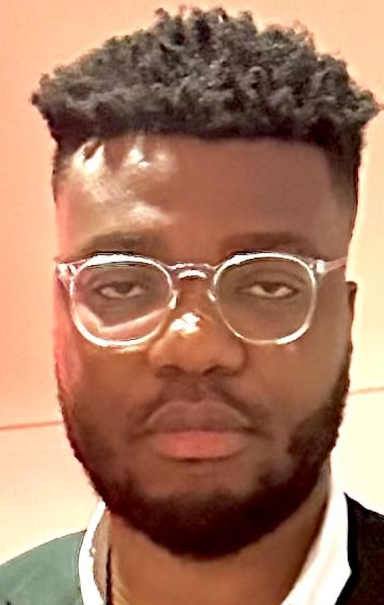
Yaw Ofosu-Asare won the 2023 AARE Conference People’s Choice Award for his poster: Redefining design education boundaries in Africa.

In the lingering afterglow of the AARE 2023 Conference, I find myself adrift in a sea of half-remembered conversations, keynote speeches that echo faintly in my mind, and ideas that seemed so clear just days ago. This struggle to recollect, to weave coherent narratives from the scattered threads of memory, leads me to ponder a deeper, more profound question: how much of what we call history is truly accurate? There’s an old African proverb that says, “Until the lion tells the story, the hunter will always be the hero.” This simple line unravels a complex truth about the stories we’ve been told. History, as it reaches us, is often a tale spun by the victors, the dominant, the ‘hunters.’ It makes me wonder, as I sift through my own cloudy memories of the conference, how many stories have we lost? How many lions have remained silent?

Our history, especially in the West, is a patchwork of narratives, stitched together from memories and records that have survived the test of time. We’ve built our understanding of the world on these narratives, drawing from the well of Greek philosophy, the Renaissance’s bloom, and the moral frameworks of Christianity. But in this grand design, where do the voices that were never heard fit in? What about the philosophies and wisdoms that didn’t find their way into our textbooks?

This reflection takes on greater significance in a country like Australia, steeped in the ethos of multiculturalism, where each culture contributes its unique history and heritage. How do we educate in such a society, acknowledging the full spectrum of human experience, not just the parts that have been traditionally highlighted? It’s a challenging thought, especially when considering that much of non-Western history is passed down orally, often dismissed by those who favour written records.

The stories we’ve leaned on, like those of Aristotle and Plato, were themselves cloaked in narrative and allegory, yet they’ve shaped our understanding of existence, our politics, our very way of life. Today, with social media, we’re witnessing a new chapter where previously unheard voices are finding a platform. African stories, Australian Indigenous narratives, and countless others are finally being shared, challenging our perceptions and inviting us to reconsider the foundations of our knowledge. In this realisation lies a profound question: what happens when we acknowledge that our view of history has been narrow, biased towards a certain type of memory, a particular way of recording events? What if we start valuing stories and oral histories as much as we do scientific evidence and written records?

As I reflect on my time at the conference, the murkiness of memory seems less like a hindrance and more like an invitation—an invitation to acknowledge the complexity and diversity of human experience. It’s an invitation to embrace a more holistic view of history, one that includes the voices of the lions as well as the hunters. In doing so, we might just find a richer, more inclusive narrative that resonates with the true spirit of a multicultural society like Australia. Perhaps then, we can start to redefine what it means to be Australian, not as a singular identity, but as a symphony of voices, each contributing its unique note to the melody of our shared history.

Now, let us turn the lens towards the realms of academia and education. In recent times, there’s been a surge in the use of buzzwords – ‘disruptive,’ ‘transformative,’ ‘inclusive,’ and the like. These terms, while signalling progressive intentions, often raise the question: are they merely a veneer, a fashionable cloak draped over the status quo to appease the ‘woke’ crowd? Or do they genuinely signal a shift in how we approach education and knowledge?

The world of educational research is not immune to trends and fads. The allure of catchy phrases can sometimes overshadow the need for deep, meaningful exploration of issues. It’s crucial to ask ourselves – when we speak of being ‘disruptive’ or ‘transformative,’ are we truly embodying these ideals, or are we just echoing hollow terms? This brings us back to the crux of our reflection on history and memory. If our understanding of the past is limited, skewed by dominant narratives, then how can we hope to build an educational system that is truly inclusive and representative of all voices? The challenge lies not just in acknowledging the gaps and silences in our historical narrative but in actively seeking to fill them.

We live in a world where diversity of thought and experience is richer than ever before. Our classrooms are microcosms of this world, brimming with stories and perspectives waiting to be heard. To educate in a way that honours this diversity means going beyond tokenistic inclusion. It involves a fundamental rethinking of what we teach, how we teach it, and whose voices are amplified in the process. In Australia, this task is particularly vital. As a nation grappling with its identity – torn between its colonial past and its multicultural present – the way we approach education can either reinforce old divides or bridge them. Teachers, educators, and policymakers have the power to shape a narrative of Australia that is inclusive, that celebrates its Indigenous heritage alongside its myriad immigrant stories, and that prepares its youth for a world where being ‘Australian’ is synonymous with being part of a global, interconnected community.

So, as I conclude these reflections – intentionally pushing beyond the 800-word limit to 994, as a small act of ‘disruption’ – I leave you with this thought: in our quest to make education truly transformative, let’s ensure that the change we seek is not just in words, but in actions. Let’s strive to make our classrooms places where history is not just taught, but questioned; where stories are not just heard, but honoured; and where learning is not just about acquiring knowledge, but about understanding the diversity of human experience. Only then can we hope to educate in a way that is truly reflective of the world we live in.

Yaw Ofosu-Asare has a PhD from Southern Cross University, where his research has been instrumental in exploring and challenging the biases and power dynamics within indigenous and decolonizing systems, focusing particularly on culture, knowledge creation, perception, and engagement. He is an associate research fellow at the Sustainability, Environment, and the Arts in Education section within the Faculty of Education at Southern Cross University. He Apart from his research pursuits, Dr. Ofosu-Asare is also passionate about teaching, user interface and experience design, art, digital marketing, and creativity. He is dedicated to influencing individuals and communities positively through the transformative power of education.

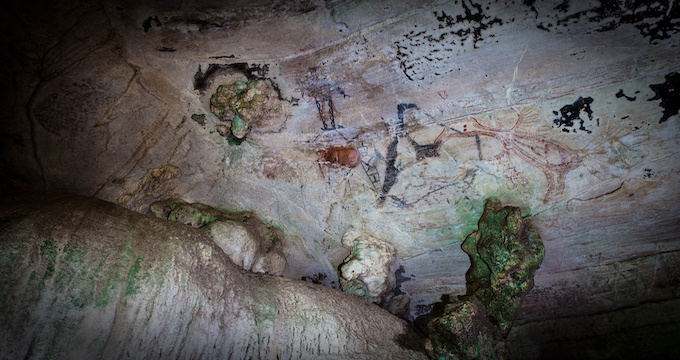
Header image is neither from Africa nor from the West. It does, however, apparently have lions and hunters in it.

The future of teaching: what we must find out

What will it mean to be a teacher – and teach – in the future? What should be the relationships between schools and communities, young people and school systems? How can we overcome the challenges currently faced by teachers and by schools to imagine new futures for teachers and teaching?

The Wednesday evening of the AARE conference week in Melbourne saw the launch of the Monash Faculty of Education’s Inquiry into the Future of the Teaching Profession. The Inquiry will put Australian teachers and teacher educators’ work into a broader international context and actively seek to create resources for local public debate – new ideas, new language, and new practical options for moving constructively to reimagine teaching, teacher education and schooling. It will be an opportunity to shape a new, hopeful and future-oriented discourse about education in society.

Chaired by Marie Brennan, Professorial Fellow in the Monash Faculty and eminent Australian educationist, the Inquiry panel will comprise James Desmond, Head of Humanities and an early career teacher at the Mac.Robertson Girls’ High School in Melbourne; Meredith Peace, Victorian President of the Australian Education Union; Professor Jay Phillips, Head of the School of Australian Indigenous Studies at Charles Sturt University; and David Robinson, Executive Director (Workforce Policy and Strategy) in the Department of Education in Victoria. You can find out more about the Inquiry itself here .

Speaking at the launch event, Marie Brennan was joined by Senator Penny Allman-Payne, Australian Greens spokesperson for schools and a former secondary school teacher, as well as Desmond and Robinson. The conversation among speakers and a large audience both in-person at the Monash Conference Centre in Collins Street and online via YouTube acknowledged the current challenges and issues facing Australia and many other countries globally but moved on to address both the general future directions of policy and practice as well as debating the focus for the work of the Inquiry panel over the first half of 2024. A recording of the launch event is available on YouTube

A 2016 UNESCO report estimated that the world would need almost 69 million more teachers by 2030 to achieve the fourth Sustainable Development Goal – universal basic education. Current trends see that estimate increasing. Countries like Australia will experience the consequences of these trends – and will do so differentially, with often the poorest and least well-served and marginalised communities struggling to recruit and retain teachers. This year, 2023, the UN established a high-level panel on the teaching profession and just a few months ago more than 100 countries met and committed to fully funding public education for their countries. Yet many economically developed countries fail to do so, Australia being one of them.

For Senator Allman-Payne, fully funding public education in Australia was fundamental to addressing all aspects of the challenges going forward and inextricably linked to all future possibilities. Describing the shortfall in funding as the ‘elephant in the room’, Allman-Payne argued  that a fully funded public education system was essential not only for a quality education but for a ‘cohesive society and a strong and robust democracy’. Marie Brennan picked up on the importance of public education in societal terms in referring to the outcome of the recent referendum on an Indigenous Voice in parliament, describing it as, in part, a failure of education that was linked to the broader politics of education in Australia, as well as other issues.  For James Desmond, the key issue was ‘inequality – of funding, of opportunities, and of outcomes. Your postcode should not dictate the quality of and access to education you receive.’

David Robinson drew attention to the community respect and support afforded to teachers in successful education systems worldwide. For too long, he argued, the public discourse around education had been predominantly negative and failed to recognize the achievements and ‘everyday successes’ of teachers in classrooms. Marie Brennan extended this point by emphasising the necessity for schools as institutions as well as individual teachers engaging with their communities, understanding and learning from them, and regarding schools as in and of their communities rather than being separate from them. For Marie, teachers need the time and space to ‘build the relationships on which good teaching depends’ – and the relationship-building does not stop at the classroom door.

The kind of work that teachers are expected to do was also a focus of the discussion with Senator Allman-Payne and Marie Brennan both commented on the importance of teachers’ agency. For Senator Allman-Payne, teaching as a career is at its most rewarding when it empowers teachers to be agentic professionals. For Marie Brennan, given that education and the work of educators is ‘always future-oriented’, it is critically important that education policy also becomes future-oriented and resists reverting to trying to ‘standardise’ teaching and teachers’ work on a vision of the past. For David Robinson, as a public servant tasked with teaching workforce development, a future-orientation filled with hope is also a practical concern when it comes to both teacher recruitment and, crucially, retention.

For the evening’s panelists as well as the Inquiry panel more broadly, it is now time to focus on working towards a positive future for teaching, the profession and schools rather than reinventing the past. And while most work on educational futures has tended either to extrapolate on current trends or to imagine idealized, utopian institutions, different futures now need to be constructed in practice to move forward from the current situation.

This is a challenge that cannot be answered with yet another political review or academic critique. As James Desmond noted: ‘Ultimately the Inquiry is about looking forward, rather than analysing the past; to better understand the challenges of the future; and to make teaching a sustainable and attractive vocation for years to come.’The Inquiry will involve further public activities and events across Australia, in-person as well as virtually, along with commissioned briefing papers, and culminating in a final report in mid-2024. We hope you join us along the way.

Viv Ellis is Dean of the Faculty of Education at Monash University. His latest book (with Lauren Gatti and Warwick Mansell), The New Political Economy of Teacher Education: The Enterprise Narrative and the Shadow State, will be published by Policy Press early next year.

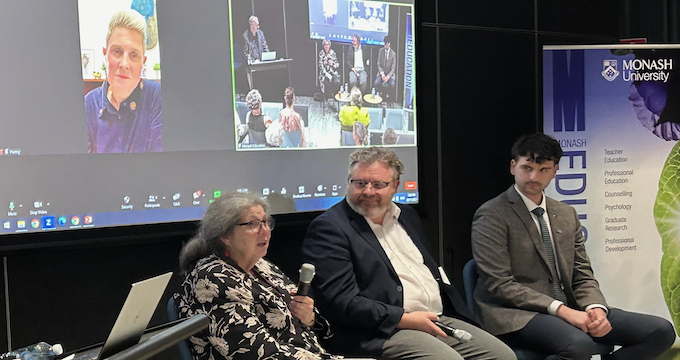
Image in header: Prof Marie Brennan, Chair of the Inquiry into the Future of the Teaching Profession, Professorial Fellow, Faculty of Education, Monash University; David Robinson, Executive Director (Teaching Workforce), Department of Education, Victoria; James Desmond, Head of Humanities and early career teacher, MacRobertson High School, Melbourne  On the screen: Senator Penny Allman-Payne (Senator for Queensland, Green Party spokesperson on schools)