

AARE blog

Graduate employment: Right now, the ‘fair-go’ isn’t fair enough

A cornerstone of Australian values is the idea of a ‘fair go’: equality of opportunity regardless of personal circumstances. However, when it comes to higher education, decades of equity data reveal how university systems have failed to ensure this ‘fair go’. Nowhere is this more noted than in relation to gaining employment post-graduation.

Getting a job after completing a university degree is rarely straightforward. Only a minority of students walk straight from the graduating stage into permanent employment. However, students from equity backgrounds experience markedly different post-graduation trajectories compared to their peers from non-equity groups. In Australia,  students from a poorer background, living with a disability or with a first language other than English, consistently encounter ‘labour-market disadvantage’  with lower levels of employment 6 months after graduation. This is particularly noted for those living with disability, with a full-time employment rate of 68.4%, compared to 79.5% for those with no reported disability.

Statistics only tell one part of the story

Disparities in securing employment or job conditions are only some of the inequities experienced. Recent research indicates that those graduates from more diverse backgrounds also 1) have less opportunity to achieve ‘high status’ professional roles (e.g. medicine, law), 2) report differences in hourly wages and also, 3) experience more complex, interrupted pathways to employment.

There are many reasons for these differences not least of which is these graduates may not have access to necessary, but often obscure, networks or information needed to obtain professional roles. For example, graduates who were the first in their families or communities to attend university do not have a ‘guide on the side’ who can provide insight or advice about the fundamentals of job seeking. In recent research, graduates repeatedly told me how this was a hidden, but significant, barrier. For example, one survey respondent explained how seeking employment after graduation was like “navigating uncharted water”, another reflected on the difficulty of “understanding […] the white collar world” and sadly one defeatedly stated: “I was very ignorant in what came after.”

What’s the difference?

In their reflections, there was a perception of “difference” that was implicitly and overtly experienced within the workplace, tied up with their family background and biography:

Perhaps if someone else in my family had graduated and embarked upon a professional career they also could have given me advice about building the foundations early, such as doing internships and volunteering in places.

What this and other quotes indicated was that while these students had received a university degree, there was more practical and applied knowledges needed to achieve their end goals. Not only did they need to aim for good grades but also, participate in internships, gain volunteer experience, network with future employers and proactively engage with the careers services on-campus. As one student so eloquently summed up, many ‘assumed the degree would be all I needed’.

The promises of university education were not delivered for some and the frustration and anger of this situation was palpable in survey responses:

The universities just pretend that getting that piece of paper is all you need, like they are selling ice cream. (Female Survey Respondent)

We need to think about entry and exit

The last two decades have seen huge changes to the university sector with increasing numbers and diversity in our student populations. While policy and procedures have engaged with the implications of this as students consider and enter university, those who are exiting the higher education system have not attracted a similar level of attention. We are experiencing a highly competitive job market with a global oversupply of graduates and this, combined with the need to be ‘employable’ means that those students with less access to necessary material and personal resources may be at a marked disadvantage within the graduate employment market.

The recent Accord Interim Discussion paper proposes a range of actions designed to ensure that the skills and knowledge developed by students are readily transferable to the workplace. The paper calls for a ‘modular, stackable, integrated approach to course design’ complemented by a framework for coordinated work placements as well as ‘earn while you learn’ and other financial support for undergraduates.

What they need

But what the graduates in this study indicated was a need for more practical and applied careers-related support deliberately targeted at that final transition: the move between university into employment. Suggested initiatives included proactive careers advice contextualised to different stages of the degree journey; ongoing professional mentoring that commenced early in the degree and extended beyond graduation; opportunities to have meaningful contact with professionals with similar (equity) backgrounds to their own; and explicit teaching about protocols and expectations within a professional workplace environment. Those changes are not difficult but such initiatives do require a ‘shift’ in mindset across the university sector – to one that more readily embraces and desires a relationship with students that extends beyond the graduation stage.
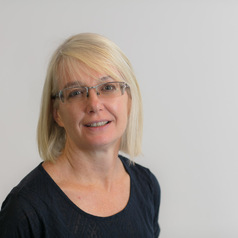
Sarah O’Shea is the dean, graduate research at Charles Sturt University, a Churchill Fellow, principal fellow of the Higher Education Academy and leading an ARC Discovery Project exploring the persistence behaviours of first in family students.


Reading: What Happens With Home Schooled Students?

Reading is a critical skill to have for school and life success and there are multiple suggestions as to how to teach it effectively and quickly in schools – but what happens in home schooling?

Little is known about how Australian home educators teach reading to their own children, but early evidence suggests parents have a different set of values..  

Reading approaches may differ considerably across home educating families with some adopting an organic approach to reading instruction with less urgency to see their child read by a specific age.

Growth in home education

Australian home education is visibly growing in popularity and registrations have doubled in the past five years with some hypothesising that the rise can be attributed to the COVID-era. As of 2023, the registered numbers of home educated children in each state or territory demonstrated significant growth across the country: 

State/Territory of residence2018  2022
New South Wales4,24912,359
Victoria5,74211,912
Queensland3,2328,461
Western Australia3,5636,151
South Australia1,3152,443 
Tasmania9761,467
Australian Capital Territory302413
Northern Territory110Not available 

A diverse population

Home educating families represent a diverse population and the approaches used in their children’s learning vary significantly. These have been shown to range anywhere along a continuum of autonomy from greater parental-determined structure through to unstructured child-led “unschooling” approaches.

Our recent study has investigated how Australian home educators teach their children to read and why they make specific choices in taking these approaches. We have heard from 185 home educating parents throughout Australia about their own experiences, approaches and attitudes.

The families in this study fell into similar categories regarding the degree of structure in learning that have been previously defined. Some indicated a formalised curriculum and parent-led approach:

What the families in this study said

I have used a phonics-based approach with direct instruction. This took the form of 15 minutes a day.  However, I would read aloud to my child 30min-1hr a day with no expectation of it being ‘reading practice’ but rather them enjoying the story.  Now my child is a bit older, she practises reading aloud 15 minutes a day of a book that she chooses.  We sit together and if she gets stuck, I am able to help.

Others took a more child-led approach and allowed their children to teach themselves to read, following their child’s lead and doing little formal reading.

[We did] no formal teaching. He learned to read through observing written text in real life, showing curiosity, and us reading aloud to him. He picked it up naturally, and we helped with reading difficult words. I expected it would be difficult, but he learned to read because he wanted to understand the world around him.

Creating a culture of reading aloud

The most common parental expectation around reading was creating a culture of reading aloud to their child, which was seen across the spectrum of structured and unstructured families. There were also those who expressed the importance of surrounding their child with a literacy-rich environment.

I’ve always read to my child, even when pregnant, so that is a big part of the reading process to me, as well as having plenty of age-appropriate books strewn around the home to explore. Currently [I’m] allowing my child the freedom to learn to read. We read novels daily and have simple picture books/early readers available for when she’s interested.

A most interesting observance was that many families revealed an unpressured approach to learning to read that let go of expectations regarding reading age. The concept of being a “late reader” was therefore not necessarily a concern to some home educating families. 

Difficult to teach

One parent noted the challenge of a child who was “difficult to teach” and indicated that allowing them to learn at a later age led to no long-term reading disadvantage:

He was most difficult to teach and had major melt-downs. So around 8 years old we took a step back when he still couldn’t read simple cvc words. I continued to read to him but wouldn’t push for him to ‘learn’ to read – he is now 9 and by letting him figure it out on his own time with zero pressure he has used technology including computer games such as Roblox to understand how to read and sound words out and I would say he is now a very, very good reader no different to what my first 2 children were at his age! Who went to school at that age!

Other families saw their children become early readers without any intention or pressure.

At around 2 years old she showed interest in letters and the alphabet. ‘B is for Butterfly’, etc and singing the alphabet song…Then one day, around 3.5 years old, I found her stumbling through a picture book on her own. I then tried to provide books around the house that were about the right beginner-reader level and the right interest level (that was tricky)… I didn’t push at all as she was so young so there was absolutely no stress or pressure on whether or not she could read yet. Now, at 4.5 years old, she’s an independent reader and enjoys chapter books like “The Faraway Tree”.

An organic approach

The stories from these families indicated that many took an organic approach to reading instruction that relied upon a range of avenues, including environmental print, sibling interactions, singing, subtitles on television, technology, and of course, reading aloud. The idea that children learn to read when they are ready was also widely recognised and supported.

These stories from home educating families encourage us to think about teaching reading as a joy filled and natural endeavour. Providing the right mix of opportunity and trust in a relaxing atmosphere may prove beneficial for some children who initially find reading challenging.

From left to right: Krystal Cathcart is a final year PhD candidate at the University of Southern Queensland. She is currently a home educating parent of four children. Katie Burke is a Senior Lecturer Arts Curriculum and Pedagogy at the University of Southern Queensland, Australia. She is also a former home educating parent.

Georgina Barton is a professor in the School of Education at the University of Southern Queensland, Australia. At UniSQ, She is the Research Cluster – Pedagogy lead.

Disability: Let’s adjust learning design now for everyone

Bob Dylan’s classic Subterranean Homesick Blues goes:  “You don’t need a weatherman to know which way the wind blows.” Anyone teaching or working in higher education knows the number of students with disabilities is growing. The number and proportion of students disclosing disability has grown every year since data was first reported nationally in 1996.

The surge in the number of students disclosing their disabilities is the result of many influences. Reporting of disability status in student systems is on the rise for reasons including improved processes and a greater willingness of students to disclose. We also know that both incidences and reporting of some forms of disability – notably mental health conditions – are on the increase in broader society.

Are students with disabilities overrepresented in higher education?

The Universities Accord discussion paper presented data showing students with disabilities are now overrepresented in higher education. The reality is more complex and goes to the heart of how students with disability are defined and counted in higher education. 

We recently explored this in our article ‘Three decades of misrecognition: Defining people with disability in Australian higher education policy”. We want to use this blog to highlight opportunities to improve the learning environment and graduate outcomes for university students with disability.

First-year retention and success rates, and degree-completion rates for students with disabilities, remain well below those of other students. Almost two out of every three students complete their degree within six years, compared to around one out of every two students with disability.

Recognition-redistribution paradox

Universities are aware of this and have worked for many years to provide support to these students. But one unintended consequence of their efforts has been the creation of what has elsewhere been called the ‘recognition-redistribution’ paradox. In the context of disability, recognition means positively highlighting, or celebrating, what it means to be disabled. Redistribution, on the other hand, means acknowledging the disadvantage experienced by persons with disabilities when they encounter social and structural barriers, or even outright discrimination.

Consequently, this leads universities simultaneously saying to students with disabilities “we don’t define you by your disability” and “we can offer you support – but only if we define you by your disability”.

One reason for this paradox is, perversely, located in an important key protection for persons with disability that is found in both the Disability Discrimination Act (1992) and the Disability Standards for Education (2005). This is the notion of the ‘reasonable adjustment’.

What is a reasonable adjustment?

A reasonable adjustment is an action taken by an institution to ensure that a student with disability can participate in education free from direct or indirect discrimination. 

These adjustments may include extra exam time, modifying the curriculum or presenting information in different formats. But to gain access to a reasonable adjustment, the student must a) identify as disabled, b) acknowledge a ‘deficiency’ and c) have their disability medicalised by a health professional.

One recommendation arising from the recent Disability Royal Commission is to remove the word “reasonable” from reasonable adjustment. This would be an important step, as it would effectively reverse the burden of proof from the student to the institution.Yet the paradox would remain. In addition, legal entitlement to a reasonable adjustment is restricted. Students who do not identify with disability, but who need some form of flexibility for health-related reasons, are thus ‘disabled’ by institutional processes if they request or are granted a reasonable adjustment.

In the future, support provision for students with disabilities will be thrust into the spotlight, for several reasons. As discussed above, general awareness around disability cultures is improving and with it, improved commitments to affirming the rights of persons with disabilities.

Universities must improve their outreach

Yet if we want higher education to achieve the ambitious growth targets proposed in the recent Australian Universities Accord Interim Report, universities will need to improve their outreach and engagement with groups of students historically under-represented in higher education. 

This includes students with disabilities.

How universities support these students need to shift – dramatically. It cannot put greater pressure on universities’ disability support offices.

A universal design for learning

The fundamental approach to disability support needs to move from the primacy of the reasonable adjustment to inaccessible curriculum to principles of universal design for learning (UDL) that reduces the need for adjustments by design.

UDL is an approach to teaching and learning that uses a variety of methods and approaches to teaching to remove unnecessary barriers to learning. Rather than just offering one way of students engaging with the curriculum, and demonstrating their understanding, UDL is about flexibility and adjustment to suit a variety of learners.

System wide implementation of UDL will reduce the burden on students disclosing and substantiating their disability to be eligible for negotiated changes to inaccessible curriculum.

This is a key issue at the heart of our recent paper where we argue current reporting mechanisms may not be fit for purpose. Personal information such as disability status should only be collected if there is a direct benefit to the student and/or a wider benefit in terms of institutional understanding and support for these students.

Ultimately, UDL challenges a university to reconsider almost every aspect of their operation, including:

·         Attitudes of all staff towards students with disabilities.

·         The development and promotion of polices to support students with disabilities.

·         Creation of a fully inclusive physical/built environment.

·         How information – both academic and non-academic – is communicated within the institution.

·         What software and hardware technologies are provided for students, and what types brought by students can be supported.

·         Wider social inclusion, including extra-curricular activities.

This is not to say that systemic adoption of UDL will completely replace the use of reasonable adjustments. It cannot fully resolve the recognition-redistribution paradox. 

But it can significantly improve the quality of the educational experience for literally thousands of students, both with and without disability.

From left to right: Tim Pitman is an associate professor at Curtin University, researching higher education policy and widening access and participation for groups of students historically under-represented in higher education, including those from low-socio economic backgrounds, Indigenous persons, people with disability, people from non-English speaking backgrounds and people from regional and remote parts of Australia. Matt Brett is Director of Academic Governance and Standards at Deakin University where he has oversight for academic governance, academic policy, course approvals, equity reporting, institutional research and surveys, quality assurance, and quality reviews. He is a Child of Deaf Adults (CODA)  and began his career in higher education as a sign language interpreter. He has a sustained and multi-dimensional impact on student equity.  Katie Ellis is a professor and director of the Centre for Culture and Technology at Curtin University  where she conducts disability led research into socially just digital futures. She also co-chairs Universities Enable.

So wrong: Inspirational campaigns will never work. Here’s why

The Federal government recently launched two high profile campaigns to attract people into the teaching profession. 

The first seeks to raise the status of teaching through a series of rather saccharine videos showcasing inspirational classroom teacher stories as “Be That Teacher” “Be That Teacher”. Costing a whopping $10 million this glossy marketing strategy aims to elevate the positive, that teachers are important and they can make a meaningful difference in the lives of young people. The second campaign provides significant scholarships for those undertaking teaching degrees, a response to the fact that university admissions for teaching degrees have slumped by 20 per cent this year. Only 50 per cent see the degree though.   

Both these initiatives are admirable. These campaigns are misplaced. I believe this both as a teacher educator in Western Australia and as an active researcher in the field of teacher wellbeing and retention.

These campaigns fail to address the specific issues which have led to the teacher shortage in Australia, of which the federal Education Department are conservatively projecting the country will be short an estimated 4,100 teachers by 2025. 

Stressed, demoralised, leaving the job

The facts are clear – teachers are feeling stressed, demoralised and many are leaving the job because their workloads are unmanageable. Teachers work excessively long hours and their overall health and wellbeing has hit rock bottom. Most teachers would tell you they have pretty poor work-life balance. Over the last two years I have noticed a substantial shift in the public discourse of teachers work. Both policymakers and media now acknowledge teachers struggle under the weight of unrealistic expectations and mounting responsibilities of modern teaching.

This shift in public perception about the work of teaching has been triggered by a labor force crisis in the school sector, with teacher well-being (or more commonly ill-being) becoming an important issue that needs addressing. What’s noticeable in both ministerial pronouncements and the media cycle is an acknowledgement that when teachers are persistently stressed and emotionally burnt out by their work, they leave. Consistent evidence about teachers’ feelings towards their work collected by education researchers, teacher unions and independent organizations are agreed — teaching is currently one of the most emotionally difficult professions and mirrors much of the service care sector, such as social workers and nurses.  

Our teachers are toiling away as security guards, counselors, data administrators, co-parents, citizen makers and babysitters for the economy. Teachers are at the material face of increasingly diverse communities, weaving learning conversations with an ever-expanding array of neurological, linguistic, cultural, gendered, social and behaviorally diverse young people. 

At risk of violence

At worst teachers and school leaders appear to be more at risk of becoming victims of – or intimidated by –  violence. A newly published report into the state of public education in WA by the SSTUWA, WA’s teacher union, reveals that in 2022, school based violent events are occurring once every forty-five minutes, or 11 times per day. These highly stressful events can involve assaults with weapons, and many require medical assistance or the police. These issues are exacerbated in schools that are socially and economically disadvantaged or in regional and remote locations. 

No wonder so many teachers describe their work as emotionally ‘fatiguing’, ‘draining’ or ‘exhausting’ and walk away from the profession. In Western Australia, the SSTUWA reports that as many as 86% of teachers are seriously considering leaving the profession. Policy makers have been slow to recognize that persistent schooling reforms focused on audit, accountability and data performance regimes have created the conditions for an unprecedent wave of teacher demoralization, burn out, attrition and psychological distress. Teachers feel untrusted by parents, leaders, and policy makers. Teachers’ professional autonomy has been eroded. This is why the “Be That Teacher” campaign has landed with a dull thud amongst some practicing teachers. 

What teachers say

One area of my research is examining the discussions of teachers on Reddit, specifically an online forum where Australian teachers can discuss issues related to their work. On the r/AustralianTeachers forum their comments demonstrate cynicism and derision at the campaign. One teacher comments:

“Oh look, teachers are so special, and they watched Dead Poets Society once, and now come to work everyday for just the love of children, so there’s obviously no need to pay them a decent wage and working conditions”

Another writes:

“Yeah, the whole thing feels like an event in the Martyrdom Olympics. Go for Gold! We don’t need better conditions and less admin, just stories that hit you in the feels”

And a third:

“Pay teachers more. Bring in nationally approved behaviour management systems. Reduce workload. Stick the smoltzy ad campaigns up the govt’s butt”

Fed-up and want reform

These comments show that teachers are clearly fed up and want tangible reforms in their sector. I read these comments as a powerful signal of professionals who are in a state of emotional crisis and we should pause to deeply listen to these people who perform a vital service in our communities. Overall, our public-school teachers are doing an amazing job in very challenging conditions. Despite these issues, they remain committed and caring professionals who desperately want education reform to ensure they can deliver high quality learning experiences to their communities and provide a strong foundation for the future of Australia’s young people.

In order to stem the tide the tide of teacher attrition, policy reforms must focus less on attracting newcomers to the profession and more on retaining those currently teaching. They can do this by radically rethinking teacher workload. As a starting point they must unburden teachers from unnecessary administration.  If we do not address the root causes of why teachers are leaving, even newcomers will not stay long in the job and the funds from these expensive government campaigns will be wasted. 

Dr Saul Karnovsky is a senior teacher educator and course coordinator at Curtin University, Perth which is located on Noongar Country. He is an active researcher in teacher wellbeing, attrition and retention taking an ethical and critical perspective on the profession.

Write at the start, all kids need to keyboard

In Australia, children are expected to develop computer-based writing skills as soon as they start schooling yet the writing performance of students is plateauing or even declining.  

Across the globe, results from national standardised tests show a large percentage of students writing at or below basic proficiency. That includes Australia.  

The role of research in understanding writing development

Given global concerns about the decline in writing performance among school-aged children, it becomes fundamental to understand how student-level factors (i.e. students’ literacy skills, attitudes, and gender) as well as classroom-level factors (i.e., time dedicated to different instructional practices, teachers’ experience, training and efficacy) contribute to the development of students’ computer-based writing. 

Early performance in writing is associated with later performance. We argue it is essential to understand these factors in early primary education first.

Since 2015, our team has developed the Writing for All research initiative to investigate the diverse factors that shape writing acquisition and development in primary education.  The paper discussed here investigated both student and classroom-level factors impacting on children’s computer-based writing performance.

How was this study conducted?

Our study involved 544 Year 2 students enrolled in 47 classrooms from 17 primary schools in Western Australia. Students were assessed on a range of literacy skills including word reading, reading comprehension, spelling, keyboarding automaticity (i.e., how many letters of the alphabet students could accurately type in 15 seconds), computer-based text production (i.e., total number of words typed when writing a narrative) and computer-based text quality (i.e., a combined score of 10 criteria of compositional quality aligned with curricular expectations for Year 2 students).

In addition, students reported on their attitude towards writing in computers using an emoji-based scale that ranged from awful to fantastic. The teachers of these students completed a survey, reporting on classroom-based factors including teacher experience, education, and preparation to teach writing; time for writing practice and teaching writing; writing activities completed during the school year; and instructional practices supporting writing development.

The focus of our analysis was to examine which student and classroom level factors were the strongest predictors of computer-based text production and quality. In conducting this analysis, we accounted for potential variations explained by the students’ membership to different classrooms.

What we found

Two key findings emerged from our research. The first one refers to the importance of keyboarding automaticity in predicting how much students could write using computers as well as the quality of what they produced.

What is automaticity? Being able to type quickly and accurately.

While connections between automaticity, production and quality have been well established in handwriting research, our study is one of the first few to demonstrate the importance of keyboarding automaticity in the generation of computer-based texts. 

Developing keyboarding automaticity  is said to free our limited working memory capacity towards more complex writing processes, such as developing a compelling and well-structured narrative. Simply put, if we must direct our efforts to finding where the letters in the keyboard are, it is going to be challenging to formulate and retain the sentences we want to write, let alone thinking how those sentences may fit as part of a paragraph structure or as part of the broader story line.

Given literature suggesting male advantage in performance and attitudes towards technology, we were surprised to see that female students wrote longer and higher quality computer-based texts. In fact, female students showed higher levels of typing automaticity and more positive attitudes towards writing when compared to their male counterparts. 

Female students also performed better in reading comprehension tasks. Gender differences in favour of female students have been previously reported by research examining paper-based text composing, including in Australia. Our study extends these findings to computer-generated texts. While there are different mechanisms theorised to give rise to these differences (developmental vs. cultural), longitudinal studies are greatly needed to further examine when and how gender-based differences in writing emerge and become a pattern.

What are the implications of our research?

Overall, our findings reinforce the need to create classroom environments that explicitly support children to compose high quality computer-based texts, aiming to foster effective writing development in the digital age. We argue the explicit teaching of keyboarding, in addition to regular opportunities for practice in the context of meaningful writing tasks, is critical to support keyboarding automaticity. 

It’s also vital to support students’ engagement in the more complex aspects of computer-based text composition, including developing the ideas to be communicated, how to structure them, and how to present them in ways that capture the intended audience’s attention.

With gender directly impacting children’ computer-based writing performance, it seems critical to develop differentiated keyboarding instruction and practice in the early years to address a potential gender gap in subsequent years of schooling. However, there is much to learn about what writing instruction currently looks like in Australian classrooms, including practices for differentiation.

Our previous studies examining teachers’ reported practices suggest that there are important variations in terms of how much time teachers invest in explicitly teaching handwriting and how much time children spend practising handwriting. In addition, teachers differ on the emphasis they place on aspects of writing such spelling, grammar, punctuation, planning for writing and revising written texts.

While some insights have been gathered locally and internationally on paper and pencil writing instruction, the picture is blurrier when it comes to keyboarding instruction. This study can be considered an initial step towards disentangling a rather complicated but critical puzzle in the education of proficient writers across paper and digital domains.

Dr Anabela Malpique is a senior lecturer in the School of Education, Edith Cowan University, Western Australia. Her research interests focus on literacy development, particularly in writing development and instruction. She is leading the Writing for All initiative aiming to expand knowledge on individual and contextual- level factors explaining writing development from early-childhood till late adulthood. Her research involves typically developing writers in primary and secondary schools. Email: [email protected] 

Dr Deborah Pino-Pasternak is an Associate Professor at University of Canberra. Her research interests concern young children’s development of self-regulatory skills and how those are fostered or hindered by home and school environments, with an emphasis on the quality of parent-child and teacher-student interactions. Email: [email protected]

Anabela and Deborah investigate how cognitive skills and instructional environments contribute to the early development of writers. The project, Writing for all: Studying the development of handwriting and keyboarding skills in the Early Years, with Professor Susan Ledger (University of Newcastle) is funded by The Ian Potter Foundation.

Working future: Now, how to build a bridge

The Federal Government’s white paper Working Future argues for closer cooperation between vocational education and training (VET) and higher education (HE). The goal is a seamless array of lifelong education opportunities for Australians. 

Here’s the problem. VET and HE don’t always work well together, prompting commentators to characterise the Australian tertiary sector as a ‘binary’. But that’s not my only concern – the white paper reflects a degree of amnesia about the history of the sector. The silos of VET and HE are largely creations of government policy over several decades.

The call for a more effective tertiary sector runs up against a complex of differences: dimensions of curriculum, pedagogy, assessment, teacher preparation, regulation, funding and marketisation. These individual differences have sprung from government policy, even in relation to fundamentally educational categories.

One of these differences stands out as fundamental for both educators and policy makers. Curriculum is fundamental because it expresses the meaning of educational intentions and experience. In the context of Australian tertiary education and its problematic binary structure, the importance of curriculum is amplified. 

On one side of the tertiary binary, a single curriculum model has been successfully imposed on providers and teachers while the other side has managed to avoid it. On the VET side, ‘competency-based training’ (CBT) was implemented as a system-wide model for all government-funded provision. Its justification was economic and social. In the 1980s, the Labour Government initiated sweeping reforms to reposition Australia as a global economic competitor across its portfolios, including VET. Higher education was targeted too, but it effectively resisted imposition of a CBT approach.  

The upshot was that HE was left to follow its own lights in regard to curriculum. Of course, there are broad structures that impinge on curriculum in HE, such as the Australian Qualifications Framework, but their level of prescription is modest, at least in terms of implications for actual curriculum. 

The lack of centralised control over HE curriculum turned out to be a boon for that side of the tertiary sector. It means HE providers can exercise maximum creativity in relation to curriculum, and rest on the expertise and insight of their teachers and researchers to craft learning experiences that directly reflect the requirements of disciplines, study areas and professions with a stake in HE. 

Even where standards are produced by professional associations and tied to program accreditation, HE providers have latitude to meet those standards in unique and innovative ways and the conceptualisation of standards is specific to the industry involved (rather than a generic model like CBT).

It is worth pointing out that if professional standards become too prescriptive then curriculum quality suffers and teachers may become alienated. 

That is precisely what has happened in VET. CBT can be regarded as a highly prescriptive implementation of standards relating to industries served by that system. Instead of high-level expressions of essential capabilities such as those prepared by Engineers Australia and used in HE engineering programs, competency standards in VET are intricately detailed and include very specific requirements about what knowledge and skills are supposed to underpin competent performances and how those performances should be assessed. 

The curricular impact of adherence to such standards is hard to overstate. It is possible to imagine that very uninformed providers and teachers might benefit from that level of prescription, but for the bulk of educators in VET the imposition is frustrating and even demoralising. As such, the quality of the whole system may be compromised through overprescription of industry standards. 

But it takes educational expertise to untangle many of these issues. At the level of policy making, high levels of prescription may be reassuring.  Policy makers may find it difficult to trace ramifications for curriculum innovation and quality.

From a curriculum angle, an effective tertiary sector in Australia would require stepping back and considering how to find a productive balance between industry or professional standards on the one hand, and curriculum innovation on the other. 

Critical here is the level of prescription attached to standards. Those representing industries and professions should leave educational decisions to those with educational expertise. As the VET experience demonstrates, it is easy for industry representatives to stray into the realm of curriculum decision-making and thereby impose constraints on educational innovation and quality that in turn undermine provider and teacher expertise and motivation. 

A more effective tertiary sector would be one where great care is taken to promote curricular creativity across both VET and HE. Winding back the curricular constraints implicit in the Australian implementation of CBT in VET is one way to address the binary of our tertiary sector. At the same time, those who work in HE should remain vigilant. It is not hard to imagine a scenario in which standards for an area like Initial Teacher Education (ITE) become politicised and from there become more prescriptive and exert stronger influence over actual curriculum in ITE degrees. In a scenario like that, the quandary in which expert and caring educators in VET find themselves could become a reality for education academics responsible for ITE.

This Blog is based in part on a recent MCERA Webinar (https://www.youtube.com/watch?v=AsQKX6SoReU) and on a paper by Hodge, Guthrie, Jones and Waters currently under review. Contact Steven Hodge ([email protected]) for a copy of the draft.

Steven Hodge is a member of the Griffith Institute for Educational Research (GIER) and of the School of Education and Professional Studies at Griffith University, where he is Director of the Master of Education and Graduate Certificate in Professional Learning programs. He is immediate past president of the Australasian Vocational Education and Training Association and key contributor to debate in Australian post-compulsory education.

To understand AI today, we need both why and how

We know AI is such a big deal that just this week the President of the United States, Joe Biden, signed an executive order to try to address the risks of a technology he described as “the most consequential technology of our time”.

So it is no wonder that the proliferation of both AI tools and of conferences during 2023 continues unabated.

And how seriously are we taking the challenge of AI in Australia? Our focus is disproportionately focused on “how”, while larger questions of “why” seem opaque. 

Now is a good time to reflect on where we are with AI. We might now have much greater capacity to generate data, but whether this is leading to knowledge, let alone wisdom, is up for serious debate.

A time to reflect

The number of AI tools and their applications to education is overwhelming, and certainly way beyond initial angst about ChatGPT and cheating that set the tone for the start of the 2023 academic year. 

But, as Maslow once wisely mused, only having a hammer makes us see every problem as a nail. If we have these powerful technologies, knowing how to use them can’t be the only issue. We need to talk more about why and when we use them. This goes to the heart of what we hold as the purposes of education. 

The case of the smartphone provides a useful comparison. First launched in 1992, it took until 2007 for the iPhone to disrupt the technology conversation. Some dreamed of, and seized, the opportunities in education such a device enabled. Others exercised caution, waiting to follow the early adopters only once the path was cleared.

UNESCO advice

Sixteen years later, though, responses have sharpened. UNESCO recently advised that smartphones should only be used where they benefit learning, advice that admittedly seems self-evident. It has taken so long for such a statement to emerge, though, it suggests the “tool” is having ongoing impacts well beyond learning. Sadly, too many examples from schools attest to the harnessing of smartphone power for abusive and manipulative purposes, particularly with sexual violence. The rise of AI has only exacerbated some of these concerns.

The potent combination of learning disengagement and social dysfunction continues to create challenges for how technology is used in schools. There is a rising chorus in support of more handwriting. Some jurisdictions have moved to wholesale banning of mobile phones at school

How we’ve dealt with smartphones should give us pause for reflection, particularly when some early warning signs about AI are clearly evident. 

When AI whistleblower, Timnit Gebru, first started in AI research, she lamented the lack of cultural and gender diversity amongst developers. Things have improved, no doubt, but cultural and social bias remain significant problems to be addressed.

Flat-footed prose

Much lauded creative possibilities of generative AI are still needing development, and also come with serious ethical questions. Margaret Atwood recently lamented the lack of creative artistry of outputs based on her own works, concluding that its “flat-footed prose was the opposite of effective storytelling”. 

Worse, she argued, was that the texts used to train these models were not even purchased by the company, instead relying on versions scraped – stolen – from the internet. That, in turn, meant any royalty payments she might otherwise have earned were withheld. Australian authors have similarly expressed their frustration. Eking out an existence as an author is challenging enough without pirated works further stealing from these vital cultural voices.

We seem to have a larger challenge, too, buried deep in little discussed PISA data. Much of the focus on PISA is about test results.

Sobering results

But here’s what is in Volume III : students’ perceptions about bigger existential questions on the meaning of life, purpose, and satisfaction. The results, all of which are below the OECD average, are sobering:

  • 37% of students disagreed or strongly disagreed that “my life has meaning and purpose”;
  • 42% of students disagreed or strongly disagreed that “I have discovered a satisfactory meaning in life”;
  • 36% of students disagreed or strongly disagreed that “I have a clear sense of what gives meaning to my life”.

And this data was collected before the traumas of Black Summer in 2019 and COVID-19. There is much anticipation about what story the more recent round of PISA data collection will tell.

Based on this data, we clearly have much more work to do on our second national educational goal to develop confident and creative individuals who “have a sense of self-worth, self-awareness and personal identity that enables them to manage their emotional, mental, cultural, spiritual and physical wellbeing”. 

What can AI do in pursuit of these goals?

Much of the conversation about AI has been focused on the first part of the first national educational goal – excellence. How can AI be used to improve student learning? How can AI reshape teaching and assessment? More remains to be done on how AI can address the second part – equity.

These concerns are echoed by UNESCO in its recent Global Education Monitoring Report. The opportunities afforded by AI raise new questions about what it means to be educated. Technology is the tool, not the goal, argues the report. AI is to be in the service of developing “learners’ responsibility, empathy, moral compass, creativity and collaboration”.

AI will no doubt bring new possibilities and efficiencies into education, and to that end should be embraced. At the same time, a better test for its value might be that posed recently by Gert Biesta, that we must not:

lose sight of the fact that children and young people are human beings who face the challenge of living their own life, and of trying to live it well.

Attraction to the new, the shiny, the ephemeral, the how, is to be tempered by more fundamental questions of why. Keeping this central to the conversation might prevent us from realising Arendt’s prophecy that our age may exhibit “the deadliest, most sterile passivity history has ever known”.

Dr Paul Kidson is a senior lecturer in Educational Leadership at the Australian Catholic University. Prior to becoming an academic in 2017, he was a school principal for over 11 years. His teaching and research explore how systems and policies govern the work of school leaders, as well as how school leaders develop and sustain their personal leadership story. He previously wrote about artificial intelligence for EduResearch Matters with Sarah Jefferson and Leon Furze here.

Want to do a PhD now? Here’s what you should know

Research in schools is messy. Things change fast and decisions need to be made on the fly. As PhD students doing research in schools, we (Kate and Matt) learned that challenges quickly arise and that tough decisions need to be made.

Our PhD research took place in vastly different contexts. Kate went to Zimbabwe to research the proliferation of philanthropic edu-tourism, and Matt explored differences in the teaching of drama and maths at a school in a regional town in NSW. Despite these “worlds-away” classrooms, we experienced similar challenges and discovered a gap in the literature on education fieldwork for postgrad students.  

That’s what our new paper explores,and from that we have four key lessons for PhD students. 

Four key lessons

We started our PhDs by ‘going with the flow’ of doctoral study. This meant we designed our research with the support of our supervisors. We presented our research plans to a panel of academics. We gained ethics approvals to conduct our studies. We undertook recruitment procedures. We went into ‘the field’ to collect data at schools. Then the flow changed. 

Our paper explains how this early ‘flow’ became more like ‘rapids’ (Lonergan & Cumming, 2017) as we undertook classroom-based research in Australia and Zimbabwe.  

In our research, we faced challenges and had to act in the moment. One such moment was when the classroom teacher left the classroom Kate was observing. What do you do? If you leave the room, where do you go? If you choose to stay, how long do you wait for them to return? If the class begins to misbehave, do you step into a teacher role or do you stay silent? If, and how, do you have a discussion with the teacher and ask them not to do this in the future?  

Someone’s missing

In another example, the teachers participating in Matt’s study were both absent from school but failed to tell him beforehand. This encounter resulted in wasted time travelling to and from the school. It also highlighted that research involves adaptive responses and planning on-the-go.  

Together, our reflections throughout the paper shed light on some of the emotional challenges during fieldwork. Even though one of us was geographically close and the other was far away from our supervisors, we were both unable to access their knowledge in the moments of shifting plans.  

Four key lessons

Here are four key lessons we wish we knew before starting fieldwork: 

  1. Communication is key. Having clear expectations and conversations about the research with the school community is integral to the success of the research. Do not assume that everyone in the school community will understand the intricacies of your study – the reality is this is an ongoing part of the process.  
  2. Developing rapport with research participants is crucial. While it is important to ‘give back’ in research and avoid disruptions to schools, it is equally important to be on the same page with participants about your role/s within the research. 
  3. Plan for a range of different scenarios, be open to how you might negotiate them as they unfold. Anticipating changes to your research plan may help you cope when these changes happen and allow you to know which components of your research plan you are willing to change or remove.  
  4. Keep a diary. Your field notes are hugely valuable when it comes to writing up and reflecting on your research. And a daily diary reminds you of all the things you’ve achieved (big and little) when the going gets tough. 

Continued conversation

We hope that others find these key lessons useful in thinking more broadly about their data collection plans. We are also mindful doctoral students have a range of resources at their fingertips when preparing for fieldwork that should not be overlooked. PhD supervisors are vital in the learning and development of doctoral students. Methods textbooks abound. And, there is a range of very insightful blogs, such as The Thesis Whisperer and Patter. Our research brings attention to these resources and the need for continued conversations about fieldwork.  

Kathleen Smithers is a lecturer in the School of Education at Charles Sturt University, Australia. Kathleen has worked across a number of projects with a focus on the sociology of education and higher education. Her doctoral thesis investigated developmentourism in schools in Zimbabwe.

Matthew Harper is a PhD candidate and research assistant across a range of projects at the Teachers and Teaching Research Centre, School of Education, University of Newcastle, Australia. His doctoral thesis compares teaching practice and the student experience in high school mathematics and drama.

How to say gay: what should happen in Australia

The recent resurgence in anti-LGBTQIA+ sentiment promoted by far-right conservatism poses a threat to the safety and mental health of LGBTQIA+ people, and particularly LGBTQIA+ students. LGBTQIA+ rights and visibility have improved substantially in many nations around the globe since the 1990s but there is now a backlash.

And our research shows, young LGBTQIA+ people are at significantly greater risk of absenteeism from school because they feel unsafe in their educational environment, in part due to a lack of visibility and gender-affirming actions.

The most stark example of this concerted effort to push LGBTQIA+ identities back into the closet and out of public discourse is Florida’s ‘Don’t Say Gay’ laws, which restrict the teaching of gender and sexuality in Florida schools. 

This was later compounded by the Stop the Wrongs to our Kids and Employees (W.O.K.E) Act, which allows parents to oppose the inclusion of books in school libraries and curricula. 

So far, just 11 parents have been responsible for more than 600 of the 1000+ complaints about books in the 2021/22 school year, many on the basis of references to gender and sexuality. This far-right conservatism also underpinned the repeal of Roe v Wade,restricting everyone from accessing reproductive health care and impacting their bodily autonomy.

Think it can’t happen in Australia?

Anti-trans activist Posey Parker found an audience for her ideas in her visit to Melbourne, with neo-Nazis present in support. The closure of the Safe Schools program, which offered LGBTQIA+ gender and sexuality education is another example of the general reduction in support for LGBTQIA+ inclusion in schools. The legislative landscape in Australia has not suffered the same reversals as the United States, with anti-discrimination legislation at both a state and federal level offering protection.

This finds its way into schools through state government requirements that schools provide a safe and inclusive learning environment. Our recent research reveals this is not consistently enacted in school policy. As we said earlier, our research shows  LGBTQIA+ students are at significantly greater risk of absenteeism from school.In our findings, the disconnect between policy and practice was clear. In 2021, the Queensland Department of Education developed the Diversity Policy to reflect legislation to support, affirm and protect LGBTIQA+ students. 

But when we looked at one Queensland school region during our research, only four out of thirty-six state secondary schools had an LGBTQIA+ specific inclusion policy that was publicly available to LGBTQIA+ students and their families. 

What we found in Australia

And if you were looking to the Australian Curriculum, Assessment and Reporting Authority (ACARA) for LGBTQIA+ voice and representation, it’s clear LGBTIQA+ people and their experiences are invisible in statements regarding diversity and in the Australian Curriculum itself. 

On a separate site, intended to enhance the Australian Health and Physical Education Curriculum, schools are encouraged to use the materials from the Queensland Government’s Respectful Relationships Hub. Here, students may have one lesson during years P-12 on the human rights of all diverse peoples, with LGBTIQA+ people briefly mentioned, in Year 11. Just one lesson in 13 years. Just one.

Our research showed the devasting impact upon mental health, wellbeing, and longitudinal outcomes for LGBTIQA+ people when not supported through policy, inclusion, visibility and representation in schools. The Writing Themselves In surveys conducted by La Trobe University, spanning from 1998 to 2021 consistently demonstrate most LGBTQIA+ youth experience discrimination, lack of affirmation and feelings of unsafety while at secondary school.

Our scoping review of literature regarding the experiences of LGBTIQA+ youth in Australia identified six ways to include, affirm and protect LGBTIQA+ students in schools. We also found the literature  unanimously showed the benefit of LGBTQIA+ specific inclusion and anti-bullying policies and LGBTQIA+ representation in the curriculum. But Queensland school policy does not consistently include LGBTQIA+ students, and some actively stymie gender-expression through restrictive uniform policy. 

Include, affirm, protect

The six key themes identified in inclusive school environments were: 

  • schools having LGBTIQA+ specific inclusion policies 
  •  LGBTIQA+ specific anti-bullying and harassment policies
  •  an inclusive curriculum that acknowledges and affirms LGBTQIA+ identities and relationships in both general and sex education classes.  
  • Beyond policy, the creation of affirming school structures such as choice in uniform and toileting facilities,
  •  The creation of LGBTQIA+ groups and spaces
  •  staff professional development to further support these school structures were also identified as strong supports for LGBTQIA+ youth. 

In much of the literature reviewed, there was an overarching finding – that a combination of these strategies could be adopted to develop a whole of school approach to LGBTQIA+ inclusion.As our research and the findings of others suggest, there is work still to be done to ensure the physical and psychological safety of LGBTQIA+ young people in schools. Through a combination of policy reform, changes to school structures and the development of a more representative curriculum, schools can achieve meaningful change. For the benefit of LGBTQIA+ people the disconnection between Australian law, Australian school policy and individual schools’ application of these laws and policies must be amended.

Kahlia Seeley is a Guidance Officer with the Department of Education, Queensland. She holds a Masters in Education from University of Southern Queensland, Australia. Her interest in research, policy and practice is in the areas of wellbeing, inclusion and behaviour support for young people. You can find her on Instagram or on LinkedIn

Alison Bedford is a senior lecturer in history curriculum and pedagogy. She provides supervision to students undertaking systematic and scoping literature reviews and is interested in the methods of discourse analysis in her own work. You can find her on LinkedIn and Threads.

Second year teachers: Now I know what I don’t know

The National Teacher Workforce Action Plan offers ways to deal with current teacher shortages across Australia, with a conspicuous focus on rapidly attracting more teachers to the profession and ensuring that they receive support and mentoring as they transition into their first year of teaching.  

However, when we interviewed a small group of early career teachers in their second year of teaching and their mentors, we found these second-year teachers are in just as much need of mentoring as their first-year teacher colleagues. 

This raises significant concerns. Schools and systems focus their attention and funding on formal and intentional mentoring for the first year of teaching, believing that by the second year, teachers have found their way in many respects and are not in need of formal mentoring opportunities. 

Will recommendations for supporting early career teachers through mentoring and induction in the  National Teacher Workforce Action Plan just continue to focus on teachers as they initially transition into the profession? Will ongoing mentoring needs of teachers as they progress to the second year of their careers continue to be neglected?

We need a well-considered approach to mentoring that acknowledges the ongoing yet evolving professional needs of teachers beyond the first year of teaching. Without that, we risk enticing more teachers to the profession only to lose them when they don’t get adequate support.

Schools face challenges (time, funding) in providing extended mentoring support.

But there is another challenge – understanding what it is that second-year teachers need from mentoring. Much of the research undertaken in the field of mentoring generally occurs with teachers in their first year of teaching or does not seek to differentiate between early career teachers across those first few years. 

In being more aware of what early career teachers in their second year of teaching need, and bring to the profession, a targeted approach can be implemented that could in fact save time and money and prevent the loss of teachers from the profession before they have even had a chance to shine. 

We collected data from 15 second-year early career teachers and their mentors in Brisbane Queensland, via a survey, field notes, and professional learning artifacts to find out what they saw as essential mentoring for teachers in their second year of teaching. Their insights serve as an important provocation for those involved in the development and delivery of mentoring programs for early career teachers. 

These second-year teachers explained that, 

While the first year is hard, the second year can be even harder because in first year, you don’t know what you don’t know, and you get this support. But by the second year, you start to realise what you don’t know and you start to see what you are doing wrong or haven’t been doing! 

These second-year teachers felt that at the very time they needed support to navigate this growing professional awareness and a clearer understanding of what they needed to learn and develop to become a stronger teacher, the mentoring support ground to a halt. 

       Yeah, and now [in my second year] I need more help but everyone expects me to know it as I’m no longer a first year.

They felt that this was despite more being expected of them as second-year teachers, including the huge workload involved in putting together a portfolio of their practice to move to full registration. These second-year teachers described this year of their careers as “make or break”. 

Our work showed that these second-year teachers toggle between still wanting explicit and specific support and advice to address immediate concerns and “solve problems” and wanting the opportunity to engage with a mentor to “explore”, and “consolidate” and “refine” their practice. They wanted to have equal ownership over the direction of mentoring conversations and saw themselves as fully capable of contributing their own ideas to mentoring conversations, while concurrently needing access to a mentor for specific guidance. 

Mentors seemed to be eager for the second-year teacher to take the lead in mentoring conversations and generally felt that second-year teacher mentoring should be less about addressing immediate concerns and fixing problems. They felt that second-year teachers should be “challenging” and “establishing” themselves, and “expanding their repertoire” of practice. 

Even though the early career teachers did not necessarily disagree, and indeed were eager to engage in mentoring that would support them “to try something new”, there was still an aspect of the mentoring that still seemed to be rooted in survival. Early career teaching does not stop being challenging at the end of the first year, and yet, teachers in their second year can easily fall through the cracks.  Schools and systems setting up and implementing mentoring programs need to consider beyond the first year of teaching and recognise it as both a time of ongoing challenge complicated by accreditation requirements, and pedagogical and professional exploration. Second-year teachers represent a unique group of teachers that unless nurtured in the ways that meet their needs, may end up among the growing numbers exiting the profession.

From left to right: Dr Ellen Larsen is a senior lecturer (Curriculum and Pedagogy) in the School of Education at the University of Southern Queensland. She has had a long career as a classroom teacher, school leader, and mentor in state and independent schools and has developed and implemented research-based professional learning programs across Queensland with teachers at all career stages. With research interests in professional learning, early career educators, teacher identity, and educational policy, Ellen is committed to working with schools to develop quality mentoring programs in the contemporary teaching context. Find her on LinkedIn and Twitter.

Dr Hoa Nguyen is an associate professor in the School of Education, specialising in teacher education/development, mentoring, and TESOL education. She co-leads the Teacher Education and Development Research Groupinthe School of Education at the University of New South Wales. She has experience teaching and training pre-service and in-service teachers in Asia and Australia. How works extensively with teachers to develop their capabilities as mentors and has a strong commitment and passion to develop teachers’ professional learning. You can find her on LinkedIn and Twitter.

Dr Elizabeth Curtis is a senior lecturer in the School of Education at the University of Southern Queensland. Elizabeth’s work and research with pre-service teacher education and beginning teachers includes professional experience, mentoring, philosophical inquiry, and values and care in education. Elizabeth has vast experience in not only teaching and researching but also in leading program innovation and change across early childhood, primary, and secondary contexts at two Australian universities.

Associate Professor Tony Loughland is deputy head of school (research) in the School of Education at the University of New South Wales. He is an experienced educator who likes to work with teachers to work with theory in ways that enhance practice. His research interests lie in teacher professional learning across the continuum from graduate to lead teacher.  He is currently leading projects on using AI for citizens’ informed participation in urban development, the provision of staffing for rural and remote areas in NSW, and Graduate Ready Schools. You can find him on LinkedIn.