

AARE blog

Leaders: Could we please just get this done quickly?

Educators across all sectors are pressed for time. Here’s how we can manage one constant drain on our attention. Leaders: Make meetings meaningful.

How many meetings have you attended that you can truly say were a productive use of everyone’s time and achieved their purpose?

How many meetings have you run yourself that achieved their purpose? Would the attendees agree?

Most meetings follow a traditional format that hasn’t evolved with the modern workplace. But fear not, a few simple tweaks to your meeting style can lead to more productive gatherings.

Meeting frustrations for attendees 

You’ve probably heard these common frustrations about meetings:

  • “We didn’t need this meeting.”
  • “This could have been an email.”
  • “The decisions were already made.”
  • “Nothing will come of this.”
  • “This is so boring.”
  • “Why bother coming on time?”
  • “Why does it have to be scheduled now?”
  • “We’re just going over the same points.”
  • “Why don’t we just put it to a vote, then?”
  • “Won’t that person just pipe down?!”

Several of these issues can be resolved by asking:  Is a meeting really necessary?

Alternatives to meetings

Leaders should consider alternatives like delegation, mentoring, workshops, or one-on-one conversations with team members. The use of technology for asynchronous interaction such as focused email threads, chat programs, surveys, shared documents, rosters and graphic organisers can allow team members time to think and participate at a time of their choosing and to their desired extent of participation. 

Is the meeting happening just because it’s on the calendar? Some managers hold meetings simply because it’s the norm or because they find it easier than other forms of managing or delegating. However, a meeting should never be an end in itself. Meetings are not suited for disseminating large amounts of information or reporting without the opportunity for team discussion. The meeting must have a clear purpose and achieve its objectives.

The best meeting objectives are 

1. To generate ideas, 

2. To make a group decision, and 

3. to share sensitive or urgent information. 

Meeting frustrations for leaders

As a leader, you may have faced issues such as poorly allocated meeting places and times, directions to deliver someone else’s bad news or frustrations with attendees. 

Sluggish, unprepared, dominant, missing, or late attendees can make meeting discussions off-topic, irrelevant, or impossible! Perhaps the worst outcomes of such meetings are the a reversal of the decision afterward, a need to have another meeting, or the “real” meeting happening elsewhere.

Small changes for a big difference in meetings

First and foremost, it’s essential to recognize that a meeting belongs to the entire team, not just the leader or chair. The true measure of a meeting’s success lies in its outcomes, not in how smoothly it ran. It’s a democratic process that encourages free discussion, values diverse opinions, and ensures decisions are made thoughtfully. Encourage all team members to actively participate and discourage rushing to decisions or stifling opposing viewpoints. One major change to make is for the leader to abdicate from the Chair position..

Leaders, sit back and watch

The role of the chair is critical in maintaining an efficient meeting. While chairs hold authority, they should refrain from advocating a particular interest. Their objective should be impartial management of time and speakers, ensuring  the meeting stays on course. The chair must encourage free discussion while maintaining control, using various cues such as tone, questions, and body language.

When it comes to choosing a chair, it’s important to find someone who can manage the meeting objectively and encourage open discussion. The chair shouldn’t be overly involved in decision-making or introduce decisions that have already been made. Sitting back while the team discusses an issue allows the leader to come through at the end and make the decision, rather than informing the team of a decision already made, or asking for approval of their idea, which can make questions and ideas from the team seem like criticism.

And don’t be secretary either!

Ideally, the leader should not be chair, or secretary. Minutes should capture the essence of the team discussion, objectively recording who said what, not just the final decisions. Technology can aid in this process, allowing attendees to follow the flow of conversation with projector or whiteboard notes. This can also help quell the repetition of arguments, especially from the same person. Use action items to track decisions made and to follow up previous meetings’ items.

The power of a well-structured agenda

Agenda items are best framed as questions, with each having a designated time estimate in minutes, not clock time. Start with important items that require brainstorming or debate, and save routine matters for the end, or via email. Apply time limits for speakers, announced by the chair or displayed on a screen or clock, to keep speaking time fair and focused. Encourage a culture of meeting preparation by getting straight to the issue and not repeating information that was required reading.

A meeting agenda should establish context, provide a stimulus, allow interaction and idea-sharing, produce tangible outcomes, measure accountability against objectives, and encourage reflection and action steps.

Final tips

To best generate ideas and to make a decision as a group, it is crucial to create an environment where alternatives can be raised and discussed with the right thinking frame and time before criticism is allowed. Using De Bono’s thinking hats, even if informally through a competent meeting Chair, will encourage the team to genuinely contribute. Establishing criteria before a decision is made should help focus contributions to the issue at hand rather than personal standpoints. Asking one or more members of the team to adopt a Devil’s Advocate position is an equally valuable initiative which prevents groupthink. 

Incorporate these strategies, and your meetings can become a more productive use of your team’s time, knowledge and ideas. Next time you gather your team, consider these best practices to make your meetings more efficient and effective.

Dr Hugh Gundlach is a lecturer and researcher in the Faculty of Education, The University of Melbourne. He recently presented this content at the ACEL National Conference in Brisbane as one of the 2023 ACEL New Voices in Educational Leadership Research. He likes meetings that stay on topic, produce outcomes, run to time, and that have chocolate biscuits.


Why spectacular slogans and perfect pop ditties will never work

The phenomenon of moral politicking around an issue rather than a political party has been a key part of my research over the last five years. That’s been the case in many things to do with education – and education policy. Our social relationships now have a strong influence on our reality. Politics no longer works the way it did back in 1967.  Let’s look at what happened on the weekend as we voted on the Voice referendum.

On Saturday the No Vote for an Aboriginal and Torres Strait Islander Voice to Parliament ( commonly called the Voice referendum) won in a landslide. It was a referendum clean sweep. All of the States and more than half the population voted No. There have been many over the weekend who have been deconstructing why. What did the Yes campaign do wrong? Whether there should have been a constitutional convention to avoid spending billions on yet another unsuccessful referendum. Whether there were truth or lies. 

We can analyse the should and the shouldn’ts for days. But in the end, voting on the Voice referendum should never have been the foundational mechanism for having a much needed national discussion about something so important. Maybe once it was. Maybe. But no longer. 

A national discussion

As I said, politics no longer works the way it did back in 1967. 

Back in the 1960s politics had the veneer of a powerful institution that could morally progress the nation. And I say veneer because it’s not like misinformation and politicians behaving badly didn’t exist back then. They absolutely did. But the social agreement was that the political system was represented as something that could be moral. Or at least held to account when it wasn’t. 

Today morality is politicised. In other words, the public are encouraged to gather around an idea because it is moral, not because a political party is moral. We saw this in the distribution of No and Yes votes in the Voice referendum. The Australian Labor Party (ALP) were campaigning for the Yes vote but traditional ALP seats resoundingly voted No across the country. 

Moral politicking around issues rather than  political parties has been a key part of my research findings since 2018. I’ve published a couple of times about it recently with my colleagues (here and here). We discuss how education issues are used as moral barometers in election campaigns and how education publics now tend to align themselves with a moral position attached to an education policy. An earlier finding showed that people are also more likely to make decisions that agree with their friends and family

Moral politicking

This is because our social relationships have a strong influence on our morality. 

The standard response to this phenomenon is ‘media literacy’ or ‘do your research’ or ‘google it’. Be critically literate. This is a great response and absolutely what should happen in the classrooms, in teaching reading and responsible authorship/creation. 

But, when morality is politicised, being critically informed as a moral position is simply not working. We should know that by now. Morality polarises. You can’t teach someone away from the opposite pole with snappy slogans, comedy and clever use of pop songs. They just make your pole feel good (and shocked when you lose). The most successful political actors (politicians/lobbyists etc) today are those who know that spreading misinformation is the best way to run interference – especially on a campaign so deeply concerned with telling the truth. And they are really, really good at it. 

Conservative political actors

These actors tend to be conservative. Conservative political actors, who are intent on wedging issues, do not care whether their descriptions are accurate or not. Indeed their whole purpose is to sow confusion and muddy the water to the point where people have no choice but to vote with their feelings. Meanwhile progressive political actors interested in accuracy, media literacy and fact checking spend all their energy correcting the misinformation or getting frustrated about people not researching. Finding the positive emotional register in “gotchas” when they evidence a flaw. This is a very normal reaction to misleading and inaccurate information. But while this critical energy is spent correcting information, no campaigning for change is happening. Indeed more often than not the conservative campaign is amplified, especially if these discussions are occurring in the media.

So what do we do about it? I’m certainly not advocating for less fact checking or critical media literacy. But we need to face the reality of the situation and consider where critical literacy fits in these times when clever campaigners don’t care if their facts are wrong and critiquing amplifies untruths. 

History and Geography’s poor cousin

It’s not just that people don’t understand how our political systems work that’s a problem, it’s that those who do know are concerning themselves with a system that no longer works the way it used to. Maybe Civics and Citizenship education needs amplifying. The poor cousin to History and Geography has been continuously overlooked in an education landscape dominated by literacy and numeracy. 

We have to have a hard conversation about how we teach people to deal with politics and campaigning texts in this political environment and it has to include the following. 

Less clamouring for the repair of a liberal-constitutional institution and its norms – something that no longer cares about truth. Find a way to make space for those who are grassroots campaigning because they are listening to people. Listening is how you reach people who vote with their family, friends and neighbours. 

Less bemoaning a crisis of democracy because people voted against repairing the Constitution. The logic is that their vote is not as valuable as your vote. A democratic crisis actually does exist in that slippery slope. That worries this ex-Citizenship Education teacher just as much as “If you don’t know, vote No” slogans

After the Voice referendum

Understand that we are in a significant political moment for Australia in 2023. We cannot connect this experience of the Voice referendum to Brexit or Trump or the 2022 Federal election. We cannot draw comparisons to the past when literacy became a policy object and critical literacy experienced a meteoric rise, full of hope for a well informed citizenry. Looking elsewhere is what we always do to make sense of unprecedented moments in our lives. We look back to work out what to do. But, according to Anthony Giddens, looking back for answers has always been what keeps conservative ideas in power. 

Looking away stops us looking our own uncomfortable politics square in the face. We saw racism and prejudice over the campaign. That needs dealing with immediately. We are not going to learn how to deal with our own future if we are looking to England, Europe or the US. Instead, we have to squarely look at our own situation and realise the answers are here already if we know where to listen. We also have to realise that a democracy means that ideas we find morally objectionable may gain traction and no amount of facts and critical thought will stop that happening. But moral polarisation will stop us talking and listening. 

Good can always be found and brought to the surface. That is the essence of politics. 

For instance, whether you voted Yes or No, the Voice referendum has repoliticised challenges faced by Aboriginal and Torres Strait Islander peoples in Australia. The past 40 years of neoliberal government has systematically privatised, proceduralised and neutralised the way issues like deaths in custody, welfare and healthcare, youth incarceration, mental health, access to food and water, access to education and addressing the literacy gap are dealt with in Australia. We know about it. It’s been campaigned about by both sides for 12 months. We know something needs to be done about it. Something with teeth.

Privatised, proceduralised, neutralised

That’s a good thing. That’s a grassroots thing. That’s a democratic thing. And educators who are well-versed in civics and citizenship, have inquiring minds, and listen, really listen, are going to be critical in moving forward. 

Dr Naomi Barnes is a network analyst and theorist at Queensland University of Technology. She is interested in how ideas influence education policy. She is a senior lecturer in literacy teaching and has worked for Education Queensland as a senior writer and has worked as a secondary English, history and geography teacher in government, Catholic and independent schools.

Think about the awesome Roman Empire every day? Excellent. Here’s what else to do

It’s not (ancient) history. A viral post on TikTok revealed we think about ancient history all the time, even now. But it’s how we think about it that matters. That’s why what students do when they bring Ötzi, The Iceman, out of the ice, that really matters.

Our aim is to develop historical thinking with high school history students.

If students think history is only about dates and battles, then they are not fully appreciating the purpose of studying history. What is not necessarily obvious to students is that they need to use concrete details for the purpose of saying something more generalised about them. Each time they write about an artefact, historical event or figure, that content is an opportunity to display their historical thinking.

In writing about Ancient History, the NSW syllabus says students must be able to shift from concrete particulars to more abstract historical concepts. This means, for example, getting Ötzi, The Iceman, out of the ice. In writing about the details of how Ötzi was discovered and preserved, students need to connect to recurrent processes and cultural practices that are not only about Ötzi.

To examine how students can successfully connect details with more abstract concepts, our research https://doi.org/10.52289/hej10.106 investigated what happened when students wrote about Ancient History under timed practice exam conditions. We were part of an ARC funded research project and collected data from schools, including one with a lower Index of Community Socio-educational Advantage (ICSEA) in Western Sydney. In this school, a teacher was motivated to join the study because she felt her students could express their historical knowledge in classroom discussions but struggled to move beyond description in their writing. 

Here’s an example from our data set (original wording from students). It is a response to the short-answer exam question of: How are human remains preserved?

Student one
If the weather is either freezing cold or hot and dry, bacteria cannot survive and the body doesn’t decompose. An example of a body found in the freezing cold is the Iceman who was found in the Alps.

Here the student includes contextual details about environmental conditions, but they are not yet repackaging this knowledge in a more abstract form. 

In the next example, a student demonstrates better control of relating concrete details to more abstract concepts: 


Student two
Human remains can either be preserved by natural or artificial process of mummification. For a body to decompose, bacteria must be present in order for the decaying process to occur. Certain conditions may disallow bacteria to use a human body as host and as a result, a preserved human remain is left.

Naturally mummified bacteria occur by accident and are dependent on the conditions of the environment of which the body lies. An example is the iceman who was frozen in ice, those frozen are not suitable for bacteria to flourish and as a result the body was preserved.

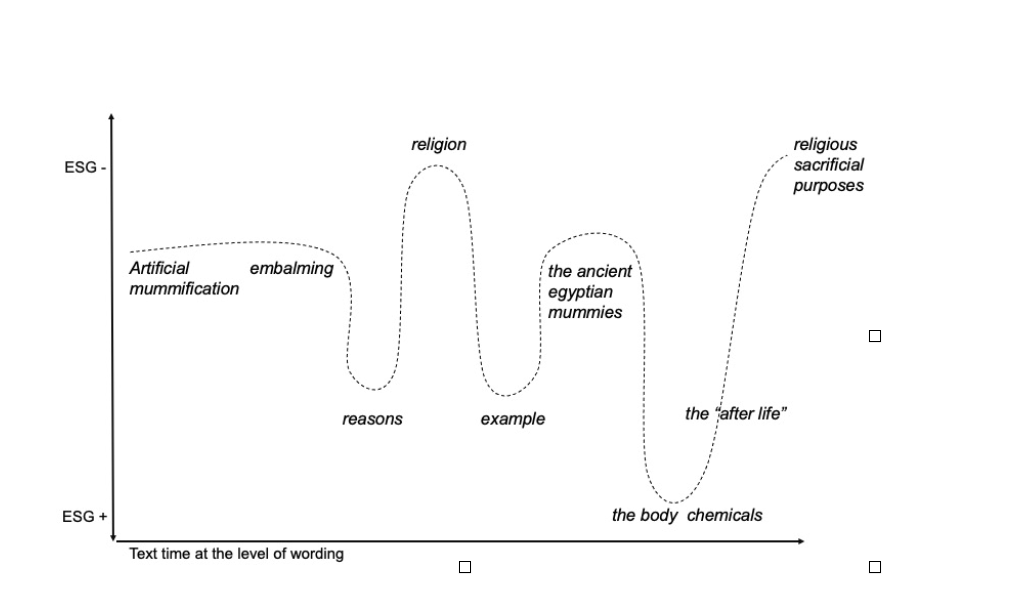
Artificial mummification, or embalming was for such reasons like religion and an example are the ancient eqyptian mummies where the body was preserved with chemicals for the “after life” and religious sacrificial purposes.

Student One’s text about Ötzi was descriptive – i.e. it stayed stuck in the ice. Student Two foregrounds abstract processes, such as mummification. They then connect a concrete example (the iceman) to this process. From the perspective of an examiner, Student Two is more successfully demonstrating historical thinking because they are not only describing concrete evidence, but highlighting its relevance and significance beyond the context in which it was found.

One way to understand why this more elaborate response would be awarded a much higher grade in Ancient History is to examine student texts with tools for analysing English texts. In our project, we used a theory from within the sociology of education, called Legitimation Code Theory (LCT). This theory, developed by Professor Karl Maton at the University of Sydney, is about understanding the bases of achievement in social practices. This includes theorising differences in what kind of knowledge is seen as legitimate, how it is learned and who is valued as an appropriate authority. 

The part of this theory that we used involves the concept known as semantic gravity. When analysing student writing, semantic gravity can be used to compare and contrast how tied to context something is. For example, writing about the details of the arrowhead found in Ötzi, the Iceman has relatively strong semantic gravity as it discusses a specific artefact in a specific setting. In contrast, writing about the process of natural mummification has weaker semantic gravity as it is not bound to one artefact or setting but rather discussed in general terms. When analysing student writing, we used the convention of (SG+) and (SG-) for stronger and weaker semantic gravity. 

As we analysed student texts, we plotted the relative strength of semantic gravity as it changes throughout a text. This creates what is known as a semantic profile. Points at the top of the semantic profile represent more abstract and generalised meanings, whereas points at the bottom represent meanings that are more strongly tied to context. Here’s an example from Student 2’s successful text.  


Figure 1: Plotting a semantic profile from an exam response

What this semantic profile tells us is that students need to frequently shift between stronger and weaker context dependence. This kind of movement has been described as semantic waving, as visualised in Figure 1. Writing in waves enables students to connect concrete evidence clearly to more abstract historical concepts. For writing about mummification in Egypt, semantic waving enables students to not just describe fragments of physical evidence, but say something about its significance. Put another way, physical evidence becomes a stepping stone for elaborating on non-physical concepts, such as recurrent processes or religious beliefs and practices. This kind of connection is crucial because it provides a way to connect fragments of evidence to something more abstract. (See our article for precise categorisation of how context dependence may shift in relative strength from one word or group of words to another).

How students connect physical evidence to non-physical and more abstract concepts is also evident in how they deal with time. While they of course need to situate physical evidence in the past (e.g., was frozen), they also need to ‘get up and out’ of that single example and context. One option is to relate physical evidence to a potential or possible occurrence which is relevant to multiple artefacts and events  (e.g., …can be preserved…). Student Two clearly does this when connecting evidence to the recurrent processes of natural and artificial mummification. Controlling time in this way makes it easier to elaborate on the relevance and importance of the evidence. In LCT terms, these temporal choices contribute to widening the semantic range of a text. (See our article for precise categorisation of how context dependence may shift in relative strength from one clause to another).

The kind of analysis that we have briefly shared here aims to illuminate the ‘rules of the game’. If, for high achievement, the ‘rules of the game’ include saying something non-physical about physical evidence, and also relating physical evidence to recurrent processes and cultural practices, then we argue that this can and should be taught. It can be taught to students so that they know how to display more abstract reasoning and thinking in their writing, and it can be the focus of discussion and professional learning for teachers. 


Controlling context dependence has implications for subjects other than Ancient History and for further education. In Modern History, students might study World War One to learn how complex social forces may contribute to a situation in which international diplomacy breaks down and a war breaks out. In English, students might study poems of Wilfred Owen to learn how specific techniques such as alliteration, onomatopoeia and personification (among others) are used to convey meanings infused with emotion. In physics, students might race toy cars down ramps to learn about forces and motion. In each case, relative shifts in context dependence are essential to exploring and writing about something broader in the world or in the realm of human experience.

This ability to manage abstraction is also critical at the tertiary level, where students must be able to use all kinds of evidence, including their own experiences and research findings, to make knowledge claims in a wide range of writing tasks. It therefore seems likely that better supporting students to use evidence, in subjects like Ancient History, could provide a robust foundation for controlling degrees of context dependence in their future tertiary studies.

Lucy Macnaught, senior lecturer and learning advisor, Learning and Academic Engagement team within the AUT Library, collaborates with the Graduate Research School and faculty to integrate academic literacies in programs. Her research draws on theories of Systemic Functional Linguistics and Legitimation Code Theory to investigate what students are expected to create. She designs teaching making these expectations clear.  Twitter @lucy_macnaught and LinkedIn

Erika Matruglio, senior lecturer, School of Education, University of Wollongong, draws on theories of Systemic Functional Linguistics and Legitimation Code Theory, and on Design Based Research, to research literacy practices in schooling. She has published on the nature of classroom discourse, conditions which enable cumulative knowledge building, disciplinarity and the demands of writing in the disciplines. Twitter @Lingitude and LinkedIn.

Related posts

How to lead the leaders

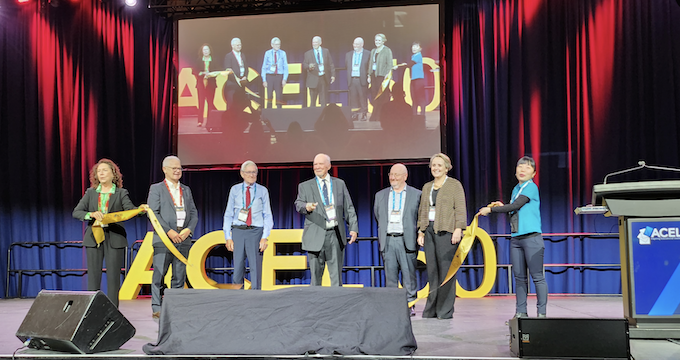
In its infancy, the Australian Council for Educational Leaders (ACEL) was a male-centric organisation. At its 50th anniversary, it showed us how far it had come.

It was significant that the opening of the 50-year ACEL celebration represented a major transformation of past ACEL membership to its current iteration, transformed by a group of influential women in the early 70s and now represents the diverse faces of educational leadership in 2023. 

One of the significant features of the 2023 ACEL conference was powerful women in leadership within the organisation. Barbara Watterston (ACEL CEO) opened the conference with great passion and insight, throwing the spotlight on the quality of educational leadership and the agility and resilience of educational leaders. Briony Scott (ACEL President) made the most remarkable concluding speech that tied all elements of the conference together in an eloquent and positive manner. She challenged the 600 delegates to listen to multiple voices and build collaborative and inclusive relationships within the community.

 These ACEL leaders were joined by Stacie Hansel (Dep DG Qld) who officially opened the conference, Sarah Kanowski – the effervescent host and maestro who wove the key elements together throughout the conference, Dr Sue Pillans, who managed to encapsulate and illustrate key learnings from the conference, and the distinguished Viviane Robinson (Uni Auckland) who started the conference with virtuous educational leadership- doing the right things the right way. 

Emeritus Professors Frank Crowther and Brian Caldwell, two of the founders and original members of ACEL were celebrated for their 50 years of service. They highlighted the role ACEL played in leading educational change such as women in leadership in the history of ACEL through the Commemorative Monograph (1973-2023). The Monograph was framed in five parts, writing four sections himself and the final contribution by Brian Caldwell: Auspicious beginnings; Years of Renovation, Revolution and Unification; The Blossoming of Education Leadership Scholarship; Ahead of the Game in a Tumultuous World; the Future of ACEL. Frank talked about connections and described how the DNA of ACEL (originally the Australian Council for Educational Administrators) has shaped, is shaping, and will shape Australian education. The 2023 theme was celebrated through presentations, demonstrating the evolution of ideas and practices in educational leadership rooted in the DNA described by Frank Crowther. The monograph reflects on the journey of ACEL and highlights key events and dedicated service since the inception. It was a fitting backdrop to the theme of the 2023 National Conference, Learning from the Past, Leading for the Future, which raised the following ideas.

‘Working with’ not ‘working for’

Inspiring attendees to look to the future, presentations explored the opportunities that arise when we shift our mindsets to ‘working with’ rather than ‘working for’ groups in education. Marnee’s William Walker oration focused on the value of codesign in working with Aboriginal communities.

The panel discussion involving Kristen Douglas and Beth O’Brien highlighted the importance of working with people to remove the barriers that can inhibit success in education and work. The discussion represented a powerful shift in inclusive education, about working alongside people to showcase their strengths and support their needs.

Focusing on the wellbeing of all

We were reminded of the importance of considering the wellbeing of all members of the school community, including teachers and leaders. We know that educational leaders are often inclined to worry about the wellbeing of their students and their staff before themselves. The analogy of the airplane oxygen mask came to mind for participants with the importance of leaders ‘fitting their own masks first’ in order to be able to help others. 

The theme of ensuring leaders are healthy and well, so that they can best serve their schools, was evident in Paul Kidson’s concurrent session. Paul shared evidence from the 11 years of the ACU Principal Health and Wellbeing survey and made connections to strong evidence from TALIS research that demonstrated a positive relationship between teacher and principal job satisfaction and student achievement. With the current need to focus on teacher retention in Australian schools, as was raised in the research from Mark McCrindle and Fiona Longmuir, the conference highlighted a need to reframe the ways in which we support staff wellbeing. While educators will always care about the wellbeing and learning of students, perhaps a slight shift in focus to ensure those in the profession have their own ‘masks’ well secured first would ultimately benefit students the most?  

Dealing with the ‘problem’

So much of the current talk about education takes a deficit discourse. Within the media and the policy arena, we constantly hear about the failings of students, teachers, educational leaders, schools and initial teacher educators. Discussions at the ACEL conference, however, were a little more proactive. Kristen Douglas and Penny Brown, among others, shifted the conversation forward, calling on educators and policymakers to stop focusing on the people and pay more attention to problems within the system. 

The call to refocus our attention was 

 to the ‘Imagination declaration’, in which Aboriginal and Torres Strait Islander young people made a statement to the Prime Minister and education ministers describing their aspirations for the future:

We are not the problem, we are the solution. 

We don’t want to be boxed.

We don’t want ceilings.

We want freedom to be whatever a human mind can dream. (Imagination Declaration, 2019)

Connections beyond the classroom

Listening is fundamental to the curious mindset of educational leaders that was advocated for by Pasi Sahlberg. Fiona Longmuir’s Spotlight session reminded us that listening to teachers’ experiences in order to understand how to best support them is integral to retaining them in the current workforce shortages. 

The conference provoked discussions about listening to one another, being curious and celebrating the strengths of educators. In his keynote, Mark McCrindle described significant disruptive features that already exist in schools that require new ways of thinking, challenging us to adopt creative strategies for adapting to change.

As one of the final speakers at the conference, Luke Springer critiqued the current ‘doom and gloom’ discourse of teachers and school education and demonstrated the importance of positive representations of schools. His social media posts have helped him to engage with students, parents, teachers, system leaders and the international community, spreading new narratives about the joys of teaching.

Participants were left with a challenge to make a difference, by being inclusive and responsive, by listening and connecting to improve educational leadership, now, and into the future.  

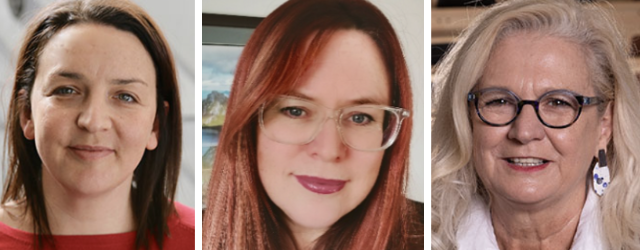
From left to right: Jess Harris is an associate professor in the School of Education at the University of Newcastle. Her research is focused on the leadership and development of teachers and teaching within schools and through initial teacher education.

Fiona Longmuir lectures in educational leadership at Monash University and has over 20 years’ experience as a researcher and practising school leader.Her research interests include intersections between educational leadership and educational change with a particular focus on student voice and agency. Susan Ledger is a professor and dean of education at the University of Newcastle. She researches education policy, practices and issues related to teaching and preparing to teach in diverse contexts: international, rural, remote, multi-lingual, special needs and difficult to staff.

Special schools: should they be phased out?


Even before the release of the Final Report of the Royal Commission into Violence, Abuse, Neglect and Exploitation of People with Disability, the differing views on segregated settings for people with disability in education received media attention. Soon the debate was framed around the closing of special schools. Acknowledging the calls for a faster phase-out, I focus on the first step of the proposal to phase out special settings. I see a need to better understand special/segregated settings in the process of phasing them out. 

Is change possible? 

For a long time, Australian governments have supported a dual system of education for students with disability. Hence, changing course won’t be a natural reflex but an act of vision. Australia has invested in providing support for the nearly one million school students (just over one-fifth of total enrolment) receiving disability adjustments (ACARA) across all settings. This is now a historical opportunity to prioritise inclusive equality towards a unified system for all. 

The Commission was tasked to identify “what should be done to promote a more inclusive society that supports the independence of people with disability and their right to live free from violence, abuse, neglect and exploitation”. It operated within a Human Rights approach informed at international level by the United Nations’ Convention on the Rights of Persons with Disabilities (CRPD). 

The CRPD’s understanding of equality moves beyond formal equality, i.e., treating everybody the same. It promotes substantive equality, i.e., the provision of different treatment such as adjustments for achieving equitable outcomes. It also introduces inclusive equality, which looks to reshape the way society is structured. A human rights approach requires a shift of deep-seated beliefs, attitudes, practices, and responses to disability.

What are the divergent positions?

The Commissioners themselves expressed divergent views on segregated settings for people with disability in education, housing and employment. But all Commissioners agreed that the current education system needs to be transformed to become more inclusive. They differ on the role and future of educational segregated settings.

Phasing out of special/segregated settings. Three Commissioners with lived experience of disability – Bennet, Galbally and McEwin – recommend phasing-out and ending special/segregated education over 28 years. They perceive such settings as incompatible with an inclusive society and linked to abuse and low educational, social and employment outcomes.

Maintaining of ‘non-mainstream’ settings, increasing their proximity and interactions with mainstream settings. The Chair, Sackville, and Commissioners Mason and Ryan prefer the use of the ‘non-mainstream settings’ term. They perceive them as compatible with an inclusive education system when the choice to attend is ‘free’, and interactions between students with and without disability are cultivated. They emphasise the provision of such settings for ‘students with complex support needs’ and prioritise ‘parental choice’.

What would happen if the phasing out of special/segregated settings starts next year?

The proposal for phasing out special settings includes six phases:

  • Phase 1: 2024-2025: Agreement to a national inclusive education roadmap
  • Phase 2: 2026-2027: Preparation for implementation
  • Phase 3: 2027-2035: Transformation of mainstream education
  • Phase 4: 2032: No new enrolments of children with disability in special/segregated schools
  • Phase 5: 2041: No new placements of children with disability in special/segregated units or classes
  • Phase 6: 2051: By the end of 2051, all students previously in special/segregated schools have finished their education.

The central aim of the proposal is to transform mainstream education. For existing segregated settings, changes will take place in later phases. But phase 1 requires “no new special/segregated schools being built, or new special/segregated classes or units being included within schools replacing education in a mainstream classroom from 2025.” 

This will halt the trend of growth in segregated settings provision, re-allocating resources and planning priorities.

Special schools

A conversation around special schools is needed. 

There were just over 50,000 students attending special schools in 2021. Nearly 47000 were funded for having a disability under the Nationally Consistent Collection of Data on School Students with Disability (NCCD). The report defines these special schools as“schools exclusively or primarily enrolling children and young people with complex support needs”. The number of schools  increased  from 414 in 2010 to 520 in 2022 – an increase of 26 per cent. And that increase is predominantly in independent schools (from 55 to 132, 140% increase), Catholic School system (additional 20 schools, 74% increase) and nine schools in the government sector (2.7% increase).

The report doesn’t distinguish

The report doesn’t explicitly distinguish between two types of ‘special schools’ as per the Australian Education Act 2013

–        Special Schools catering exclusively for students with disability and for which a diagnosis of disability is an enrolment condition

–        Special Assistance Schools which cater for students with social, emotional or behavioural difficulties.

The ABS and ACARA data used in the report record most (but not all) ‘Special Assistance Schools’ under ‘special schools’. Special assistance schools, also called flexi schools or non-mainstream alternative schools, cater for students who have experienced substantial disengagement from mainstream education. A recent report by Independent Schools Australia reported that in a large proportion of Independent special assistance schools either most or all of the young people enrolled have a disability funded under NCCD. The overwhelming majority of new special schools are special assistance schools with more planned for the near future.

The Royal Commission didn’t include a dedicated public hearing on special schools. There is work to be done to understand different types of special schools, who is attending them, pathways in and out of special schools, and what special schools offer to their students. This work isn’t about improving special schools (although it hopefully will achieve this while special schools are still in operation), but to inform the transformation of the education system.

Special classes in mainstream schools

Information around special/segregated provision in regular schools is even more limited. The Final report doesn’t include statistics by state/territories and sector but acknowledges evidence of increase in such provision across Australia. There is however data to start this conversation.

For example, the New South Wales Department of Education publishes data on students enrolled in support classes. The increase of enrolment in support classes is a long-term trend, but it is worth looking at short-term impact. For example, in 2018, 7,827 full-time equivalent students were attending primary support classes increasing to 9,542 students in 2021. This is 1,715 extra students. Similar increases are evident in secondary support classes and special schools. At the same time, the NSW Department of Education developed its Disability Strategy and Inclusive Education Statement for students with disability

These are substantial resources to tap in to support the transformation of mainstream schools. A national and state commitment to redirect resources is not about ‘losing’ these extra places. It is about gaining clarity of direction towards inclusion and utilising resources that are instrumental in releasing innovative possibilities. This will require considering the function of existing support classes during the different phases of the process.  

The Final Report of the Royal Commission into Violence, Abuse, Neglect and Exploitation of People with Disability was released on Friday September 29. It comprises 12 volumes with 222 recommendations.

Ilektra Spandagou is an Associate Professor at the Sydney School of Education and Social Work, University of Sydney. She has more than twenty years of experience in researching and teaching internationally in the areas of inclusive education policy and practice, comparative education, disability, classroom diversity, and curriculum differentiation.

The header image comes from Volume Seven of the final report of the Royal Commission into Violence, Abuse, Neglect and Exploitation of People with Disability.

One easy way to lead teachers to the pinnacle – HALT

Read our full paper on lead teachers here.

Australia needs to recruit, develop and retain high quality teachers – lead teachers. To make that happen, this country needs a more credible, economically affordable, administratively feasible and legally defensible professional certification system for leading teachers. That’s not all. It also needs better rewarded career pathways for the teachers that meet the standard in Australia.

The National Teacher Workforce Action Plan released by education ministers last December identified the pivotal role our national system for the certification of Highly Accomplished and Lead Teachers (HALT) could play in ‘elevating the profession’. The plan sets a target for the certification of 10,000 teachers as HALT by 2025. 

But in the 10 years since HALT certification was introduced, only 1,200 teachers have so far gained certification – representing less than half of one per cent of all 307,000 full-time-equivalent teachers in Australia.  

What’s putting teachers off? 

Deficiencies in the certification process are a key reason for the low uptake. The process of providing evidence for each of the 37 indicators was cumbersome and inefficient, leading significant proportions of applicants to drop out. Assessing applications was also time consuming and therefore expensive. 

The current approach is burdensome and costly. The plan calls for the streaminling of HALT certification processes. States and Territories are being asked to develop their own processes that are ‘less onerous, while being rigorous’, and guided by AITSL’s revised Framework for the Certification of Highly Accomplished and Lead Teachers.   

Streamlining needed but not enough

Developing rigorous methods for standards-based assessment of teacher performance is a highly complex measurement exercise. Tough questions will inevitably arise about a certification process’s ability to reliably distinguish between teachers who have attained the HALT standards and those who have not.  

International experience shows that certification systems live or die to the extent that stakeholders are confident about their validity and reliability. The revised AITSL Framework covers matters such as eligibility, portability and appeals processes but does not describe the methods Authorities are to use for assessing applications. 

Streamlining the HALT certification process would be greatly helped by the development of an assessment framework that gives applicants a clear indication of the evidence they will need to prepare for certification and how it will be assessed. 

What’s the solution?

In a pilot conducted from 2015 to 2018, the Australian Council for Educational Research (ACER) developed assessment frameworks for highly accomplished primary teaching and secondary science teaching.  

These assessment frameworks are freely available. Each includes four portfolio tasks with detailed guidelines. Together, they enable applicants to provide evidence covering all 7 of the Australian Professional Standards for Teachers and a representative sample of teaching skills across the curriculum they teach.

To illustrate, most primary teachers are expected to teach English, Mathematics, Science, Humanities and Social Sciences. For English a primary teacher might choose to document a unit of work in which they planned to:

‘engage students in writing for a range of purposes and audiences, catering for the diverse learning needs of students in planning classroom activities and enabled all students to make progress in their knowledge and understanding of writing.’ (Australian Curriculum ACELY1694)

This statement from the Australian Curriculum provides a clear indication of what an applicant needs to demonstrate in a portfolio entry. It matches what accomplished teachers do in the normal course of their job. How a teacher does this is for the teacher to decide.

Evidence of impact

As with all the portfolio entries we developed, this task calls for evidence of impact on what students are doing and learning. As teachers prepare portfolio entries evidence prospectively once they decide to apply for certification, not retrospectively, these tasks also provide a valuable vehicle for professional learning. Similar assessment frameworks can be developed for other subjects and levels of teaching.

At the end of the pilot, between 81% and 100% of participating teachers positively rated the clarity, validity and fairness of the portfolio tasks. All agreed that preparing their application was a valuable professional learning experience that improved their teaching. 

Importantly, we found that assessors took about one hour to judge each portfolio entry. Four entries would take no more than 4 hours. That’s significantly less than the time it now takes for assessments of each application. 

Making certification mainstream

Under the current Plan, the goal is to increase the number of teachers certified as HALT from 1,200 to 10,000 by 2025. This is a modest but realistic goal in the short term. Long term, however, far more ambitious goals will be needed if the Plan is to have a significant impact on recruitment, retention and the quality of teaching.  

Over the next 15 to 20 years, we should aim for a situation where most teachers and school leaders now progress through certification as a normal part of their career pathway to higher salaries and school leadership positions. Only then can certification hope to increase the recruitment of high-quality graduates and the retention of experienced and accomplished teachers in the profession. 

Dr Lawrence Ingvarson, AM, FACE, is internationally recognised for his research on teacher education, professional development, teacher quality, teaching and leadership standards and assessment of teacher performance and has published widely in these areas. He is a Fellow of the Australian College of Educators. He joined ACER in 2001 and served as research director until 2006.

Dr Hilary Hollingsworth is a co-research director at the Australian Council for Educational Research and has worked both nationally and internationally, as a university lecturer, education consultant, teacher and as a researcher in the fields of teaching quality, teacher and leader professional learning and teacher standards. Her current work is strategically focused on enhancing and shaping teaching, learning, and school leadership policy and practice.

Why being a mentor is hard. Here’s how to help

In my PhD research, I set out to understand how mentoring works within Initial Teacher Education (ITE) for pre-service teachers (PST). I found that qualified teachers who were appointed as mentors for trainee teachers (PSTs) must adapt their skills to mentor adults. It’s a very different set of skills. We use the term pedagogy to discuss teaching children. We also use the term andragogy when teaching adults. My research analyses a collaborative initiative implemented by a small team of school teachers and me to support and enhance mentoring practices across a school-university partnership (TAPP).

The government recently reported through the National Teacher Education Expert Panel (TEEP) a need for high quality professional experiences under the guidance of experienced and expert teachers. 

Beyond five years

The report noted high quality experiences are essential to preparing, not only graduate teachers, but also teachers who will commit to the profession beyond the critical five year juncture. This report serves as a timely reminder to turn our attention to supporting and valuing mentor teachers’ practices, particularly as mentor teachers shoulder much responsibility for the professional experience component of ITE programs.

Without action, this report could potentially join the long list of Government funded expert reviews, reports and recommendations dating back to 1979, that share similar concerns about the quality of professional experience. Equally important, most reviews and reports acknowledge that the shared delivery of professional experience is both complex and resource intensive, requiring considerable effort and commitment from both schools and ITE providers. 

A pressing challenge

A particularly pressing challenge at this juncture is the need to provide mentor teachers with additional time, structures, and support appropriate to the task of mentoring pre-service teachers. Interesting, across NSW and Victoria Government funded initiatives are resulting in collaborative efforts that are reaping rewards, particularly those that are engaging educators to work in hybrid ways to integrate university and school expertise and knowledge.

What successful strategies or structures can be implemented to support mentor teachers’ practices?

Working within a Teaching Academy of Professional Practice (TAPP)  funded initiative, a small group of school teachers and I recently engaged in a participatory action research project to examine how we could support mentor teachers during the COVID-19 years. The study culminated with 119 mentor teachers leading the implementation of a systematic Gradual Release of Responsibility (GRR) instructional framework adapted from Pearson and Gallagher’s work. The mentors’ role was to gradually scaffold the pre-service teachers’ responsibility as they moved towards independent teaching. This occurred through a gradual progression from observation, to collaboration, to independence. 

Beyond “I do, you do, we do”

The gradual release of responsibility framework is often over-simplified as a process of “I do, you do, we do” but in this context this process was not linear.  It  existed as a recursive and ongoing interaction. This included shifting perspectives based on the PSTs skills, knowledge and prior experiences.

Progression through “I do, you do, we do” process was also determined by key factors including the learning focus, the timing of the introduction of new skills or strategies and the pre-service teachers’ motivation and readiness to learn in consideration of their previous experiences.    

While it was initially anticipated that mentor teachers would simply transfer the GRR framework from teaching children to teaching adult pre-service teachers, this was not the case. Instead, applying a GRR framework to mentoring adults required significant adaptations. 

Implementation worked best when coupled with dedicated time release early in the professional experience to discuss, map and plan for the pre-service teacher’s involvement in the mentor teacher’s program.

How do you apply a Gradual Release of Responsibility Framework for Mentoring Pre-Service Teachers?

Seven key adaptors emerged as critical to the successful implementation of a GRR framework for mentoring adult pre-service teachers. These are briefly outlined here:

1. Andragogy was central to accommodate and adapt to each adults’ diverse needs and experiences. Andragogy existed on a spectrum ranging from dependence to self-direction and therefore progression through the GRR was negotiated to align with pre-service teachers’ experiences and readiness to adopt responsibility. As a pedagogical practice the teacher consistently determines the progress but with adult pre-service teachers it was a shared reflective practice.

2. Agency includes ownership of learning and the pre-service teachers’ professional identity grew with decision making, professional interactions, and with the application of initiative throughout the GRR process. Mentors scaffolded the PSTs to adapt their practices based on evidence and reflection. Collective agency was enhanced through collaboration and networking to broaden knowledge and perspectives, and this was evidenced through pre-service teachers being invited into professional learning communities. 

3. Reciprocity included an active exchange of knowledge and support between two teachers, the mentor and the PST. Mutual beneficial knowledge exchanges involved mentors recognising the pre-service teachers’ developing insights, experiences, and perspectives. Mentors modelled metacognitive practices, shared expertise and skills and some saw potential for self growth and development as they navigated the complexities of mentoring.

4. Vertical alignment includes providing mentors with coherent content details including the how, what, and when of the professional experience. Providing these details allowed mentors to focus on teaching specific skills and content in a developmentally appropriate manner. Vertical alignment included both the sequence and scope of the professional experience. The sequence defined the focus of the professional experience and outlined specific skills and expectations. The scope, on the other hand, placed the learning sequence within the broader context of the pre-service teachers’ program. It included the identification of standards that pre-service teachers had previously covered and will address in subsequent professional experiences.

5. Feedback within the GRR framework is critical but challenging and recognising this challenge was an early action in the mentor and pre-service teacher relationship. The mentor led by example, demonstrating the purpose and relevance of self-reflection (as an “I do” action). Feedback was actionable, with the pre-service teacher planning their next steps through guided reflection, revisions, and repeated experiences to enhance their practices.

In this context a mentoring GRR approach addressed the contextual complexities inherent in the mentoring process and offered a generalisable approach to mentoring pre-service teachers following interdependent practices of participatory decision making, shared, and reflective practices. As such, the adapted mentoring GRR framework provided a researched informed approach to target mentoring practices through intentional guided interactions. 

Not a magic bullet

The GRR did not provide a magic bullet approach to mentoring but when applied in conjunction with mentor expertise it provided a way to accommodate the complexities inherent in the mentoring process. Therefore, the mentoring GRR framework could potentially afford a structured and supportive solution to mentoring pre-service and early career teachers in a range of contexts.

Those reports and reviews outlined earlier have been implemented in various ways through add-on approaches. Findings from the participatory action research reported here demonstrates the centrality of schools and universities working together in genuine and hybrid ways and sharing a research journey together. The funding from the TAPP initiative allowed the building of a collective ITE provider and school engagement in research to find solutions – which built on existing PST support structures and developed authentic and collaborative approaches to distribute the complex responsibility of mentoring pre-service teachers.

Allison Byth is a lecturer in the School of Education, RMIT. She works extensively in school-university partnerships for professional experience. Allison is in the final stages of completing her doctoral research investigating how hybrid educators impact mentor teachers’ practices. Her research interests are focused on bridging the school-university divide in initial teacher education to foster collaborative and effective practices.

The Voice referendum: If you don’t know, I challenge you to find out

The claim by the ‘No’ campaign that if you ‘don’t know, then vote no’ in the Voice referendum is a troubling indictment on the state of democracy and civics and citizenship education in Australia. It privileges a passive and limited conception of citizenship that is at odds with what it means to be a citizen in Australia, and makes a mockery of Australia’s long history of civic action and engagement. It privileges wilful ignorance, and outsources the responsibility for informed democracy to politicians, rather than the citizens themselves, and in doing so, insults every Australian who has taken the time to explore the arguments for and against the Aboriginal and Torres Strait Islander Voice to Parliament. That such claims should flourish is hardly surprising; civics and citizenship education in Australia’s schools has, for too long, been overlooked by politicians and policy makers, despite the rhetoric to the contrary. 

Young Australians should be active and informed

This shout-out to ignorance is a direct contradiction to the Alice Springs (Mparntwe) Education Declaration. This document sets out the fundamental principles for education in Australia, and is agreed upon by all ministers of education from the various jurisdictions. There are only two goals within the Declaration, and the second one states that all young Australians should become ‘active and informed members of the community’. It goes on to describe that this includes (amongst other things) having ‘an understanding of Australia’s system of government, its histories, religions and culture’, being committed to ‘to national values of democracy, equity and justice’, and ‘contributing to local and national conversations’. There is a clear emphasis upon the role of a citizen to be involved – but also to be informed. This finding out information and thinking carefully is central to the Declaration – and also to what it means to be a citizen in Australia. 


Currently there is no greater national conversation than the upcoming Voice referendum. Yet it is a failing – of our media, of our politicians, and of our education system – that our young people are limited in their potential and their capacity to take part in that conversation because the education system is not providing them with the opportunity to develop the skills to become informed. Regardless of whether they are old enough to vote or not, the Voice referendum is a significant opportunity for young people to learn about civics and citizenship: about how democracy is done. And it is an opportunity that we are missing.

The system is failing our young people

There are lots of reasons for this state of affairs. Within the education system, there is confusion about the place of civics and citizenship education. While it is part of the Australian Curriculum, it is often taught in conjunction with other subjects, such as History and Geography. This leads to it being squeezed out in place of this other content. And of course there’s also the challenge that teachers face when trying to teach it: many teachers lack any specific subject expertise in topics like government, politics or civics and citizenship – which means that they are very conscious of their own ignorance in this area and are likely to avoid it.

Teachers are also at risk of being targeted for teaching about supposedly controversial issues in this subject area, such as topics like climate change,  equality and race, which means they run the risk of raising the ire of parents or the more extremist elements of the media. Finally, when it is taught, it is often taught in such a way that it is distant from a students’ own experience.

Learning about the constitution is vital, and indeed, should be a right of every child – but it needs to be done in such a way that allows students to connect their own experiences with what they are learning, lest it become a dull and uninspiring recitation of facts and figures. None of this is particularly new: since the first assessments about civic literacy as part of the National Assessment Program, concerns have been raised about the place of civics and citizenship education in Australia’s schools, as many students were failing even to reach proficiency. 

Never before has it been so easy

What is new is the onslaught of misinformation and disinformation that young (and not-so-young) people are exposed to via both social and legacy media. Never before has it been so easy for people to share biased information so quickly to such large numbers of people – and it is already apparent  that this is influencing the debate and having a detrimental effect on the ability of organisations with a vested interest in education about this topic in sharing their message and resources. Organisations like The Museum of Australian Democracy, or The Rule of Law Education Centre have largely been drowned out. This only highlights the importance of changing civics and citizenship education to address these concerns, so that citizens are better capable of engaging with national conversations, discerning facts from opinion, critically evaluating information and making their own informed decisions. 

Beyond Mparntwe

In order to do this, we need to recognise the importance of civics and citizenship in Australian schools – in actions, and not just in the Alice Springs (Mparntwe) Education Declaration. Part of this means understanding – and preparing – teachers for the important role they play as democracy workers through more focus on civics and citizenship education in initial teacher education programs. Beyond the Voice referendum, we must also find space within the Australian Curriculum for more civics and citizenship education, and even consider whether it should be taught as a separate learning area, as is the case in England.

We also need to recognise that young people are at risk from mis- and disinformation campaigns, and they need to be taught, at school, about such campaigns and how they can deal with them. Most importantly, though, as adults, we need to remember that wilful ignorance is not a democratic virtue, and we should challenge any short-sighted and divisive campaign that argues otherwise. 

Keith Heggart is an early career researcher with a focus on learning and instructional design, educational technology and civics and citizenship education. He is currently exploring the way that online learning platforms can assist in the formation of active citizenship amongst Australian youth. He is a former high school teacher, who worked as a school leader in Australia and overseas, in government and non-government sectors. He has also worked as an organiser for the Independent Education Union of Australia, and as an independent learning designer for a range of organisations. He tweets @keithheggart

More to read:

How to stop racism in class: burn it off

“You’re like the token black kid in the class”: the continued need for Indigenisation of curriculum to support Indigenous student university completion rates and stop racism

It is our hope that in 2023 The Voice referendum will bring change. We hope change will include adopting the many recommendations of national reports to improve higher education access, participation and completions for Aboriginal and Torres Strait Islander people.

Many Indigenous scholars and their non-Indigenous allies feel enormous frustration. Their voices are not heard. They are rendered silent by inaction to implement national recommendations. For example, the Universities Australia Indigenous Strategy outlined what universities should do. They should commit to having “processes that ensure all students will encounter and engage with Aboriginal and Torres Strait Islander cultural content as integral parts of their course of study, by 2020”. Important work is occurring in universities to embed Indigenous content within university courses but it has yet to be implemented strongly across all universities.

RELATED EVENT

Indigenous Studies and Courageous Conversations

Symposium co-hosted by UQ and the Australia Academy of the Humanities. September 28 and 29, 2023.

What the Accord Interim Report says

The recent Accord Interim Report notes Indigenous students continue to be marginalised in universities and there is an urgent need to increase the numbers of Indigenous students undertaking university study. The Accord Interim Report also reported that Go8 universities were lagging behind in terms of Indigenous student enrolments. But high enrolment numbers of Indigenous students do not necessarily equate to completion of university studies. The national data indicates that, the nine-year completion rates for Indigenous students are 50 per cent — significantly below the 71 per cent for non-Indigenous students.

Stop racism in university classrooms

The impact of racism on Aboriginal and Torres Strait Islander student university experiences and completion rates can not be underestimated. 

Our research has found that racism and the lack of Indigenous perspectives in the curriculum are key barriers to Aboriginal and Torres Strait Islander students completing their degrees.

Many of the Indigenous graduates from five universities interviewed in our study reflected on their experiences in classrooms and their experiences of being asked by academics to speak on behalf of Indigenous people:

“It was mostly experiences like being called out in class as to speak to a universal Indigenous experience or being called out to act as a representative of a cultural ideal” (Bachelor of Arts graduate)

Graduates also spoke about experiences of racism from peers and staff:

“There is racism in classes … I had students go, ‘Oh, you must have got scholarships for coming here’ when they worked out that I was Indigenous, or ‘Oh, did you take a bridging pathway?’ ‘No, I actually got here the same way that a lot of people in this room got here’…” (Bachelor of Science and Bachelor of Arts graduate)

“I guess the racism at a university like [this one] that is full of people with white fragility and white privilege, has always hung over my thinking around what I actually received from [this university]… People being blatantly racist and really showing their white fragility in the way they operated towards me” (Bachelor of International Relations graduate).

Why there is a need for further Indigenisation of curriculum to stop racism

Indigenisation of curriculum is one way to address racism. The Universities Australia Indigenous Strategy 2017–2020 acknowledged the inherent value of Aboriginal peoples’ unique knowledge systems. Important work has been undertaken by universities to develop frameworks and design principles to guide Indigenisation of curriculum (e.g., Al-Natour and Fredericks, 2016; Bunda, 2022; Howlett et al., 2013). 

The process of Indigenising curriculum is complex, and numerous researchers have noted the institutional support required, the challenges of poorly taught curriculum that can reinforce stereotypes and resistance from students particularly from mandatory curriculum.

Many of the graduates we interviewed noted that much more work needs to be done within the universities they studied at to focus on Aboriginal and Torres Strait Islander content and knowledges and draw further on Indigenous perspectives within the curriculum and content.

Where to from here?

Universities are still not necessarily a safe places for Indigenous students. Danger and a lack of cultural safety can be found in classrooms when Indigenous students are called out as “experts”, when peers question their identity and ask culturally insensitive questions, and when lecturers do not include “meaningful, appropriately developed and appropriately resourced” Indigenous content in curricula so that Indigenous students can see themselves in the curriculum.

Universities must continue to focus efforts towards educating academic staff and students to be more culturally competent through the inclusion of Indigenous perspectives within curriculum. Indigenisation of curriculum requires institutional support, and it also requires critical self-reflection by non-Indigenous educators. This is the only way to stop racism

Recommendations

As part of our larger research project, recommendations were developed for universities and include:

  • University academic staff should ensure their classrooms are strongly anti-racist and address any issues of racism within the classroom.
  • University leadership needs to ensure more cultural competency training opportunities for academic staff, professional staff, and students.
  • University faculties and academics should work collaboratively with Indigenous centre/unit staff and Indigenous academics to ensure Indigenous perspectives are strongly embedded in course curricula.

It is important to note that these recommendations are not particularly new and they echo previous recommendations. There is enormous frustration felt by many Indigenous scholars and their non-Indigenous allies whose voices are not heard. They are rendered silent by this inaction to implement national recommendations.

Collins-Gearing and Smith use the metaphor of the need to “burn off” the disciplines to Indigenise curriculum in order to “clean up the landscape so that new, transformative possibilities may grow”. Burning off continues to need to occur in universities to stamp out racism and clear the smoke to allow Indigenous students to see themselves within the curriculum.

From left to right: Bronwyn Fredericks is a professor and DVC Indigenous Engagement, University of Queensland. She tweets at @bronfredericks. Katelyn Barney, PhD, is a senior lecturer in the Aboriginal and Torres Strait Islander Studies Unit and the School of Music, University of Queensland. She tweets at @drkatelynbarney. Tracey Bunda is Professor of Indigenous Education, University of Queensland. Kirsten Hausia is Strategic Project and Engagement Coordinator, Murrup Barak, Melbourne Institute for Indigenous Development, University of Melbourne. Anne Martin is Director of Tjabal Centre, Australian National University. She tweets at @MartinAnne139. Jacinta Elston is affiliated with Monash University. She tweets at @JacintaElston. Brenna Bernardino is a research associate at LPC Consulting Associates and was a Research Assistant on the project. She tweets at @brennabernardino.

Patience, persistence and persuasion: the how-to of Indigenous curriculum practice by Susan Page

Be brave: how to Indigenise the curriculum by Alanna Kamp

Digital learning: how to manage a very tricky balance

The way we navigate the fast-changing digital landscape is crucial for the academic and social experiences for students of all ages. The digital age presents opportunities and challenges for all learners, whether it be a student in an early childhood setting or an adult engaging in vocational education. We know that for all students to be successful, we need to think carefully about what we are doing with technology and why we are doing it. While understandable given the nature of the crisis, the rapid shift to remote learning during the COVID-19 pandemic exposed many unintended consequences of engaging with digital pedagogies in a haphazard way.

The ‘remoteness’ of remote learning also revealed how crucial connection is in education. Everyone loses when digital education – digital learning – fails to meet the needs and interests of learners, educators, and other human beings in educational contexts. So how do we make sure that online teaching prioritises the human?

Our new industry report delves into human-centred digital design in online learning, emphasising the crucial role of learners, educators, and stakeholders in shaping the educational experience. Learners are placed at the core of the learning experience in a human-centred digital design model. By offering flexibility and personalization, educators create a real-world learning environment that empowers students to take control of their learning journey. 

No quick fix

However, this is not a quick fix. While human-centred digital design offers numerous benefits, it also presents challenges. Transitioning to online learning can be isolating for some, and educators may struggle with new tools and methods. This approach demands significant resources, collaboration, time, and dedication. But these challenges can be overcome by adopting thoughtful strategies that prioritize the needs of learners. These strategies focus on creating a dynamic and inclusive learning environment that empowers students and fosters meaningful engagement. In our report we focus on a range of dimensions. These intersections intersect to make digital learning and teaching structured and flexible, active and engaging, and inclusive.

Striking the right balance between structure and flexibility is essential in catering to the diverse needs and interests of learners. By offering a well-organized curriculum that outlines clear learning objectives and milestones, educators provide a roadmap for students to follow. Allowing room for individual exploration and personalization enables learners to engage with the material at their pace. This makes the learning experience more meaningful and relevant. Understanding the ecology in which digital learning and teaching takes place is essential to good and holistic practice.

Where to give priority

Priority can be given to universal accessibility to ensure all learners, regardless of abilities, can fully participate in learning processes. These include ranging from multimedia formats for curriculum sharing and opportunities to demonstrate learning through different forms of media. Valuing diverse perspectives, strengths and forms of communication, educators can foster an enriching and inclusive learning community. Effective digital learning and teaching—like any learning and teaching—is differentiated to learners’ needs, preferences and contexts.

Encouraging active learning and inquiry-based approaches empowers learners to take an active role in their education. Rather than passively consuming information, students become engaged participants in the learning process. Through hands-on activities, problem-solving exercises, and group discussions, students develop critical thinking skills. They also gain a deeper understanding of the subject matter.

A sense of community and connection

In the online learning environment, fostering a sense of community and connection is crucial. Ensuring both teachers and students have a visible presence in virtual learning spaces through real-time interactions enhances engagement and support. Virtual office hours, online discussions, and video conferences provide opportunities for students to seek assistance and collaborate with their peers. This fostering a strong sense of belonging. Community and belonging in digital teaching and learning are supported by practice that prioritises accessibility, diversity, and inclusion. Building social connections through play is also important for all students. Digital spaces can help facilitate these connections as illustrated through the below footage of YellowCraft, an online Minecraft server established for autistic girls and women that first began in 2020.

image1.gif

Collaboration enriches online learning. Group discussions, teamwork, and project-based learning allow students to share perspectives, exchange ideas, and construct knowledge collectively.
Through collaborative online activities, learners can share their unique perspectives, exchange ideas, and collectively construct knowledge. This leads to a deeper understanding of the subject matter and each other, developing higher level communication skills in multiple mediums. Effective digital learning is student-centred, fosters collaboration, and enables communication and connection.

What happens when you take a wrong turn

When it comes to online learning, assessment and feedback play a crucial role in helping students succeed. Assessment tasks guide educators and learners towards their educational destination and should guide the learning journey. Just as Navigation apps (such as Google maps) provide us with a choice from multiple routes leading to the same destination, offering a choice of assessments gives students the flexibility to showcase their understanding in ways that suit them best. Whether it’s through a quiz, a project, or a presentation, diverse assessment options make learning more engaging and personalized. Formative assessments act as pit stops along the way. This helps learners gauge their understanding and providing valuable insights that can guide adjustments in learning strategies. And just like when the app recalibrates when you take a wrong turn, assessments should be responsive, guiding educators and students when learning needs adjustment. 

In our report we explore some of the challenges involved in digital design through six dimensions of practice which we believe will help us as we consider new challenges, new technologies, and changing contexts. By embracing new technology, flexibility, inclusion, and active learning strategies, educators create engaging and meaningful online learning environments. For this to be possible and successful, educational institutions need to be contexts where teachers can experiment and take risks with innovative practices. Resourcing teaching and learning informed by human-centred design involves the risk-taking, time, collaboration, resourcing and the reciprocal identification of needs and goals, with agency and control in the hands of the student and educator. 

Nicky Dulfer is a Senior Lecturer at the Faculty of Education, University of Melbourne. Her research agenda is driven by a social justice imperative and seeks to make a significant change to the ways in which marginalised people access and experience education.  Catherine Smith is lecturer in education at the Faculty of Education at the University of Melbourne with specialisation in technology, wellbeing, equity, policy and community development. Matthew Harrison is a Senior Lecturer based at the University of Melbourne, Faculty of Education His research is interested in digital inclusion for children with disabilities and neurological differences, and he is the co-founder of Next Level Collaboration. Mark Selkrig is an Associate Professor in Education. His research and scholarly work focus on the changing nature of educators’ work and how they navigate the ecologies of their respective learning environments.